
 EN
EN
Core Reasonable Logic Behind Conveying Speed Adjustment of Band Sealer
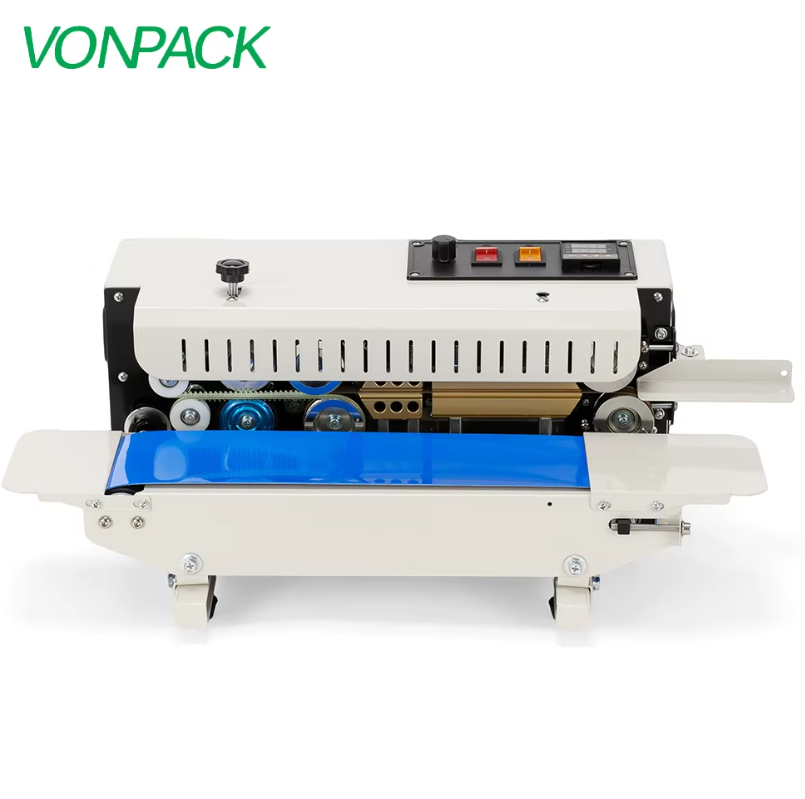
Band sealer serves as a core continuous sealing device for food pharmaceutical and daily chemical packaging workshops, and its conveying speed directly decides two core production indicators including sealing qualification rate and overall assembly line output. Many plant operators only focus on raising speed to boost hourly output without realizing uncoordinated speed will trigger continuous quality losses and accelerated equipment wear. From long term field debugging experience, the conveying system carries packaging bags steadily through constant temperature heating zones and cooling areas. If the passing time of film through heating components cannot match the heat output of heating strips, finished products will face hidden troubles such as air leakage and broken seals. Industry mechanical engineers all agree that speed adjustment is not a single parameter modification, but a comprehensive matching process combined with film thickness heating temperature and single line production rhythm. Many small processing factories suffer from 10 to 15 percent waste rate every month just because of random speed tuning without standardized operation rules, which brings invisible loss of raw material and labor cost. Mastering scientific speed adjustment methods can effectively cut production waste and extend the service life of band sealer transmission parts at the same time.
Standard Pre Adjustment Inspection Procedures Before Tuning Band Sealer Speed
Before modifying any speed parameter, complete a full set of equipment pre inspection following ISO 9001 packaging machinery daily maintenance standards to guarantee safe and accurate adjustment results. The first inspection target covers conveyor surface and driving rubber rollers. Clear residual plastic fragments oil stains and dust accumulated on the conveying belt with compressed air and soft cloth, foreign attachments will create uneven friction and lead to unstable speed after tuning. Next check the tightness of transmission belts connecting speed regulating motors. Loose belts cause slipping during high speed operation while over tight belts increase motor load and shorten service cycle. Operators also need to observe the surface of heating strips and cooling fan components. If carbonized film residue covers heating strips, clean the surface after power cut and cooling, otherwise heating efficiency will drop and offset the effect of speed adjustment. SGS issued packaging machine operation guidelines also remind factories to confirm stable input voltage before debugging, voltage fluctuation will interfere with frequency conversion speed control modules and result in inconsistent conveying speed during continuous production.
Practical Step By Step Operation to Modify Conveying Speed on Band Sealer
Two mainstream speed control structures are widely applied on commercial band sealers including mechanical knob speed regulators and intelligent touch screen frequency conversion systems, both have mature and repeatable adjustment steps summarized from years of on site technician experience. For mechanical knob models, keep the machine running under no load state first, rotate the main speed knob clockwise to raise conveying speed and counterclockwise to slow down operation. Every small rotation should last for ten seconds to observe stable running status before adding packaged products for trial sealing. For touch screen frequency conversion band sealers, enter the main parameter interface after startup, find conveyor speed setting module and input numerical values within the factory recommended range. A real debugging case from a medium scale snack processing plant can fully illustrate this operation logic. The factory’s old band sealer ran at maximum speed to match upstream filling machines, leading to sixty percent of plastic bags with incomplete sealing. Professional technical staff reset the speed value step by step with trial sealing after each adjustment, and finally locked the stable parameter with zero sealing defects. This case proves gradual fine tuning rather than one time extreme speed adjustment is the most reliable operation habit for front line operators.
Professional Matching Rules Between Speed Setting and Packaging Material Characteristics
Different packaging film materials have distinct heat resistance and thickness standards, which form fixed matching relations with band sealer conveying speed supported by SGS material testing data and senior packaging equipment expert analysis. Thin POF film with thickness below 0.08 millimeter bears high heat transfer efficiency, so conveying speed can be set to medium high range to avoid over melting and hole generation. Medium thickness PE composite film widely used in food packaging needs medium speed to balance heating time and production efficiency. Thick PVC film with poor heat resistance must run at low conveying speed to obtain complete tight sealing without film damage. Industry packaging mechanical experts point out a clear judgment standard for parameter matching after speed adjustment. Take five consecutive sealed bags out for inspection, check sealing edge flatness and tightness under extrusion test. If sealing lines appear discontinuous white marks, the conveying speed is too fast to absorb enough heat; if film edges turn yellow and brittle, the speed is too slow and stays in heating zone for excessive time. Reasonable speed matching can raise packaging qualification rate above ninety nine point eight percent for most standardized production lines.
Common Malfunctions Caused by Improper Speed Adjustment and Targeted Solutions
Random speed adjustment without material and temperature coordination triggers several recurring mechanical and quality faults during daily production, and each malfunction has corresponding targeted correction plans based on transparent equipment operation records. The most frequent problem is unstable conveying speed with jitter during operation, which usually happens after blindly raising speed without tightening transmission belts. The solution is to power off the machine and adjust belt tension screws to keep uniform tightness on both sides of the transmission structure. The second typical fault is continuous air leakage of sealed bags, directly caused by over fast conveying speed that shortens heat contact time. Operators can reduce speed by ten to fifteen percent and slightly raise heating strip temperature for auxiliary matching. Another common failure is conveyor belt deviation when running at low speed, resulting from uneven pressure of side guide rollers. Loosen guide roller fixing screws and adjust horizontal balance of conveying channels to eliminate deviation. All these faults can be avoided completely if operators follow standardized pre inspection and gradual speed tuning rules, reducing unplanned equipment downtime significantly.
Long Term Stable Speed Maintenance Solutions Supported by Professional Packaging Equipment Manufacturers
Sustained stable conveying speed performance of band sealer relies not only on standardized daily adjustment operations but also on high precision original manufacturing structure and long term technical after sales service from professional packaging equipment suppliers. VONPACK stands out as a certified packaging machinery manufacturer with complete international qualification certificates including ISO 9001 and CE SGS certifications, owning seventy nine independent utility model patents and a thirty eight thousand square meter intelligent unmanned production workshop. All band sealer models produced by VONPACK adopt optimized frequency conversion motor transmission modules with precise speed control tolerance, effectively reducing speed jitter and slipping issues that trouble ordinary low end equipment. The brand arranges professional global technical teams to provide on site parameter debugging guidance for overseas and domestic production clients, sharing customized speed matching schemes according to customers’ unique packaging film and product specifications. Compared with ordinary small machinery workshops lacking research and development capacity, VONPACK’s integrated research production and service system delivers durable stable band sealer equipment with consistent conveying speed performance under long time continuous production, helping all types of processing factories maintain high packaging efficiency and stable product quality for long term operation.
Table of Contents
- Core Reasonable Logic Behind Conveying Speed Adjustment of Band Sealer
- Standard Pre Adjustment Inspection Procedures Before Tuning Band Sealer Speed
- Practical Step By Step Operation to Modify Conveying Speed on Band Sealer
- Professional Matching Rules Between Speed Setting and Packaging Material Characteristics
- Common Malfunctions Caused by Improper Speed Adjustment and Targeted Solutions
- Long Term Stable Speed Maintenance Solutions Supported by Professional Packaging Equipment Manufacturers