
 EN
EN
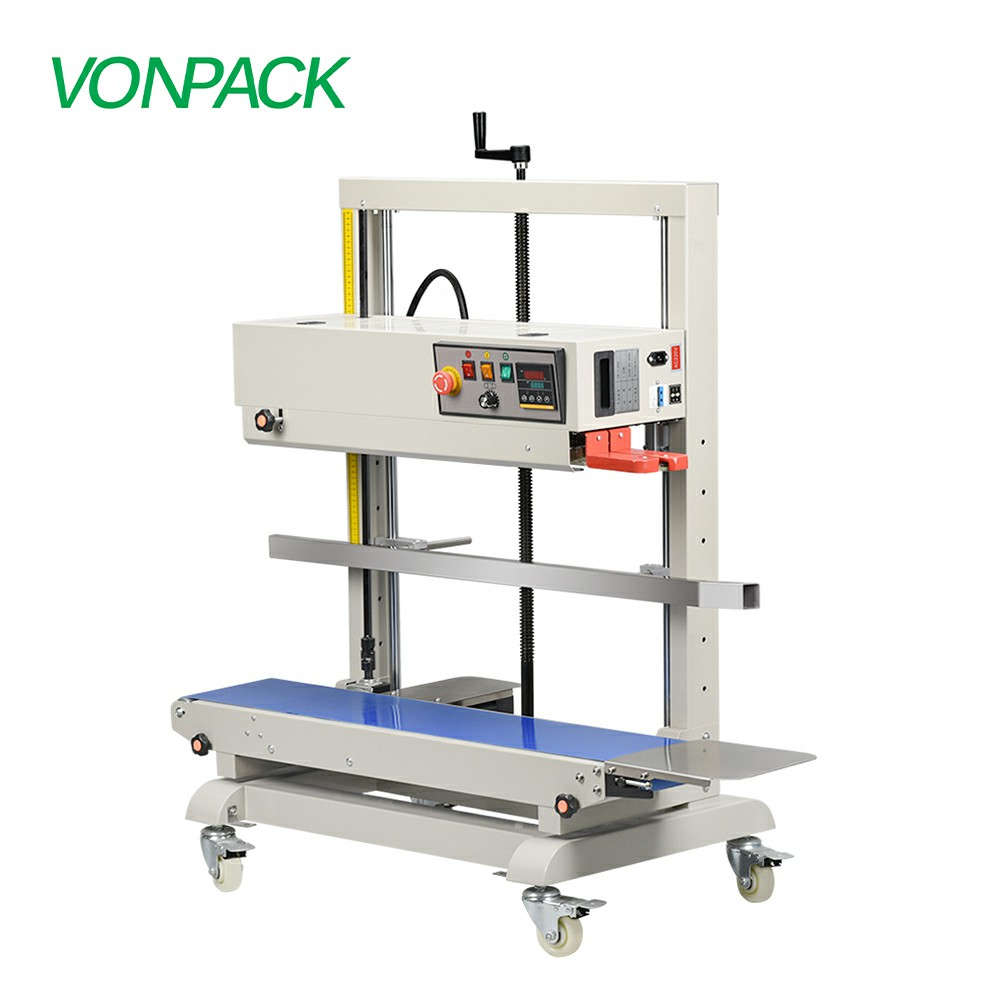
Understanding Preventive Maintenance for Sealing Machine Efficiency
The Role of Preventive Maintenance in Sealing Machine Efficiency
Studies from the Ponemon Institute back in 2023 found that regular maintenance work can cut down unexpected stoppages in industrial sealing systems by around two thirds. When plant staff regularly check for things like component wear, dirt buildup, and calibration drift, they keep seals performing properly and avoid those costly production hiccups. Equipment actually lasts about 40% longer when companies stick with this preventive model instead of waiting for breakdowns before fixing problems. We saw this play out firsthand across several food packaging plants last year during our equipment audits.
Daily, Weekly, and Monthly Maintenance Schedules for Industrial Sealers
Optimal maintenance frequency depends on throughput:
- Daily: Remove adhesive residue from sealing jaws and verify temperature tolerance ±2°C
- Weekly: Inspect pneumatic systems for pressure drops exceeding 10% of baseline
- Monthly: Conduct full alignment checks using laser-guided calibration tools
Facilities adhering to structured schedules achieve 92% first-pass seal integrity versus 74% in ad-hoc maintenance environments, according to industry research.
Balancing Reactive vs. Preventive Maintenance: Cost-Benefit Insights
Reactive repairs might fix problems right away, but companies end up paying around 3.8 times more for each incident when factoring in emergency labor costs and lost production time according to recent industry benchmarks from 2023. Most facilities find better results with a mix where about two thirds of their maintenance budget goes toward preventing issues before they happen, while keeping some funds available for quick fixes when needed. Look at high speed sealing machines that handle over 500 units every hour. When manufacturers strike this kind of balance between proactive and reactive approaches, maintenance bills drop somewhere between eighteen thousand and twenty five thousand dollars annually per machine in most cases.
Daily Maintenance Tasks to Ensure Sealing Machine Uptime
Cleaning Sealing Surfaces and Removing Debris to Prevent Contamination
Keeping those sealing surfaces clean every day really helps get rid of sticky residue and bits of packaging material that can mess up how well seals work. According to some research from the Industrial Engineering Journal back in 2023, dirty equipment actually accounts for around 12% of all unexpected shutdowns on packaging lines. When it comes time to clean, grab some lint-free cloths and stick to what the manufacturer recommends for solvents. Focus especially on those jaws and platens at the end of each shift. Companies that make daily cleaning part of their routine see about 28% fewer problems caused by tiny particles floating around compared to places that only clean once a week. Makes sense when you think about it though doesn't it?
Inspecting Sealing Jaws and Heating Elements for Wear and Damage
Worn jaws or unevenly heated elements create weak seals that fail quality checks. Check for:
- Pitting/scoring on jaw surfaces
- Discoloration in heating element wiring
- Temperature deviations >±5°C across sealing bars
Operators at a leading packaging facility report catching 87% of component failures during daily visual inspections rather than during production halts.
Verifying Temperature, Pressure, and Control Settings for Consistency
Confirm all settings match product specifications before starting operations. A 2024 study found that ±2°C temperature drift reduces seal strength by 19% in polypropylene materials. Maintain calibration logs to track:
| Parameter | Acceptable Tolerance | Measurement Tool |
|---|---|---|
| Temperature | ±1.5°C | Infrared thermometer |
| Pressure | ±0.2 bar | Digital manometer |
| Cycle Time | ±0.3 seconds | High-speed chronograph |
Automated monitoring systems detect 74% of abnormalities before human operators do (Packaging Technology Review 2024).
Lubrication, Calibration, and Precision Adjustments for Optimal Performance
Regular Lubrication of Moving Parts to Reduce Friction and Extend Lifespan
When sealing machine components such as guide rails and drive chains aren't properly lubricated, they actually lose about 24% of their efficiency according to recent research from Machinery Lubrication in 2023. Maintenance experts recommend applying ISO VG 68 grade synthetic oil every six months or so, which cuts down on wear by around 38% when compared with sporadic maintenance practices. Grease based products should generally be kept away from areas that get hot during operation since these synthetic oils can handle much higher temperatures, staying effective even at 302 degrees Fahrenheit where many other options would break down completely.
Calibrating Temperature and Pressure Settings for Strong, Consistent Seals
Regular annual checks on thermocouples and pressure sensors help avoid that dreaded 19% decline in seal quality we see happening all too often in facilities running constant cycles. When doing these calibrations, it's important to stick with equipment that has proper NIST certification so readings match up with what ASTM F88-21 actually requires. Take snack food packaging lines as a case study they generally need temperatures around 248 degrees Fahrenheit give or take 5 degrees and pressure at approximately 40 pounds per square inch plus minus 2 psi for good seals. Any significant drift outside those numbers tends to push defect percentages up by nearly a quarter which nobody wants to see when trying to maintain production efficiency.
Adjusting Equipment to Meet Production Standards and Prevent Defects
Pneumatic actuators need realignment roughly every 500 hours of operation when using laser guided systems that maintain a tight 0.002 inch tolerance against normal component wear. When working on medical packaging equipment specifically, it's important to tweak the dwell time settings in small 0.1 second steps so they can handle those really thin polymer films without issues. All these adjustments should be recorded properly in the company's computerized maintenance management system. This helps track how different parameters affect product quality during audits. Factories that stick to this approach typically see around 93 percent success rate on their first attempt at sealing operations, which makes a big difference in production efficiency.
Troubleshooting Common Sealing Machine Issues and Faults
Diagnosing inconsistent seals caused by misalignment or dirty surfaces
When production stops because of bad seals, it usually comes down to parts that aren't lined up right or surfaces that have gotten dirty somehow. According to a recent maintenance study done in 2023, about two thirds of all those sealing problems actually come from jaws that are out of alignment or gunk building up on the heating parts. Keeping things clean matters a lot here. Using gentle cleaners instead of harsh stuff helps get rid of the dirt that makes bonds fail over time. And for alignment issues, there are special tools available now that can make sure everything fits together within half a millimeter. Companies that stick to proper sealing procedures tend to see their defect rates drop by almost four fifths compared to those who don't follow these guidelines as closely.
Identifying why a sealing machine heats but fails to seal
If sealing machines start producing heat but aren't actually bonding materials together, check those pressure settings first because not enough force just won't get the job done right. Another common problem comes from those PTFE coatings on the heating elements getting worn down over time these things typically last around 10 thousand cycles give or take depending on usage conditions. When this happens, we see temperature hotspots forming across the surface, messing up the uniform heating needed for good bonds. Using thermal imaging equipment helps spot these problems early on so maintenance can be scheduled before bad seals become a real headache and cause unexpected production stoppages that nobody wants to deal with.
Addressing frequent minor faults in high-performance sealing machines
Recurring jams or sensor errors in advanced systems often indicate calibration drift. Pressure sensors recalibrated quarterly show 40% fewer fault triggers compared to annually adjusted units. Implementing automated error-logging software helps identify patterns, such as misaligned film feeds occurring 2–3 hours into production runs, allowing preemptive adjustments during scheduled pauses.
FAQ Section
What is preventive maintenance for sealing machines?
Preventive maintenance involves regular inspections and adjustments to keep sealing machines running efficiently, preventing unexpected breakdowns and prolonging equipment lifespan.
How often should sealing machines undergo maintenance checks?
Daily cleaning, weekly inspections, and monthly calibration checks are recommended. However, the optimal frequency depends on the machine's throughput and specific requirements.
What are common issues that can affect sealing machine performance?
Common issues include misalignment, dirty surfaces, worn components, and improper calibration, all of which can lead to inconsistent seals and machine downtime.