
 EN
EN
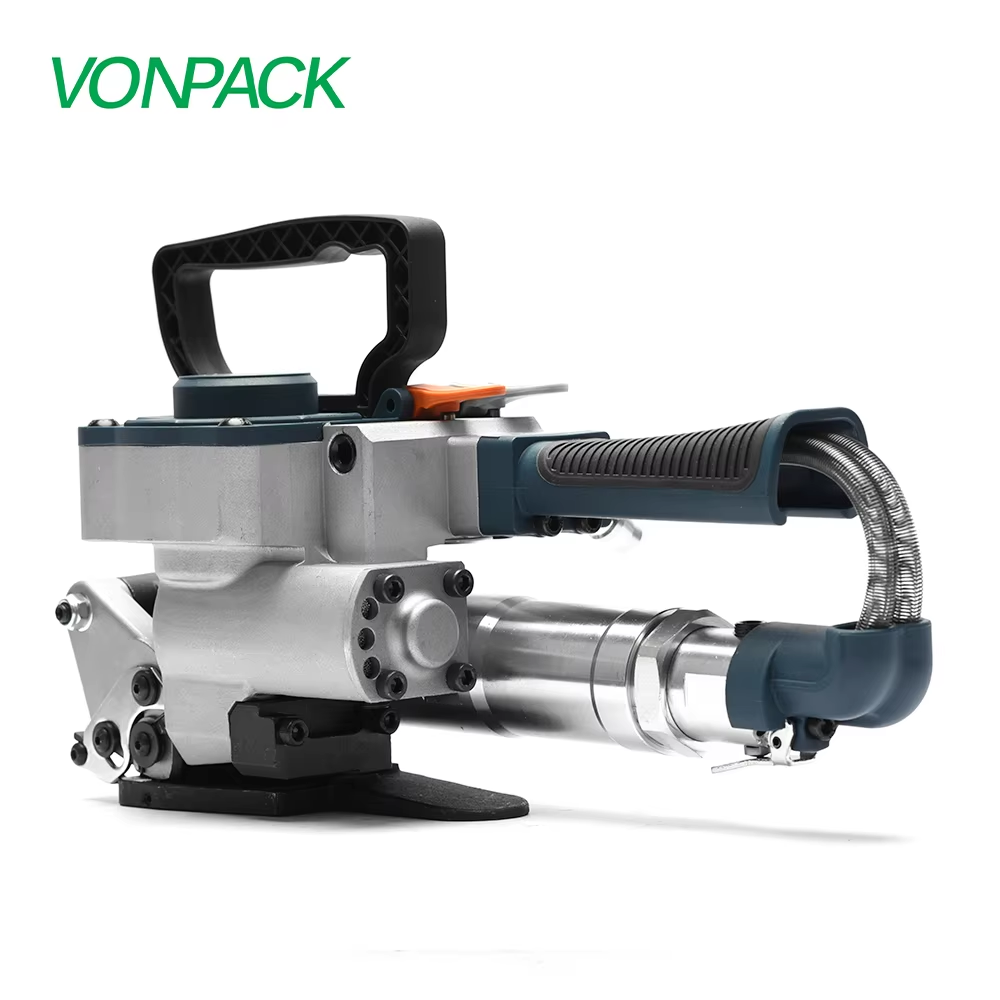
Match Strapping Tool Type to Load Requirements and Production Volume
Weight, Size, and Edge Profile: How Load Geometry Dictates Strapping Tool Selection
When it comes to choosing the right strapping tools, the shape and size of what needs securing matters most. For anything over 1,000 pounds, we're talking about tools that can pull between 3,000 to even 5,000 pounds of force just to keep things stable during transport. If there's not enough tension holding everything down, studies from logistics safety folks in 2023 show the chance of cargo shifting jumps by nearly two thirds. Then there are those tricky shapes like bundles of wood with all their rough edges or big round steel coils. These weird forms need special equipment. Reinforced guides stop straps from slipping off bumpy surfaces, and those circular tension devices wrap around round objects so pressure gets spread out evenly. Loads with sharp corners or rough textures work best with tools that have built-in corner guards plus tough tungsten carbide rollers which help maintain strap strength and prolong tool lifespan. Looking at industry numbers, about one in four transportation accidents involving broken loads happen because workers picked the wrong tools for the job. That makes sense when thinking about how important matching tools to load characteristics really is.
Throughput Needs: Choosing Manual, Semi-Automatic, or Fully Automatic Strapping Tools by Pallets/Shift
Production volume determines the optimal level of automation:
| Tool Type | Pallets/Shift | Key Applications |
|---|---|---|
| Manual | < 50 | Low-volume repairs, remote sites |
| Semi-Automatic | 50–200 | E-commerce fulfillment, mixed-SKU operations |
| Fully Automatic | 200+ | High-speed logistics, automotive assembly |
For facilities dealing with under 50 pallets each day, manual tools remain popular because they offer flexibility without breaking the bank on equipment costs. When operations hit between 50 and 200 pallets per day, many switch to semi-automatic systems. These work well when there's all sorts of different loads coming through and the volume isn't too crazy high. Facilities that process over 200 pallets in a single shift generally go full automation. The machines can strap around 60 items per minute, cutting down on time spent wrapping things up compared to doing it manually. Some studies show this saves roughly 70% of the time workers would otherwise spend on strapping tasks. But it's not just about numbers. Other factors come into play too. Things like how varied the products are (SKUs), whether enough staff is available, and what kind of safety standards need meeting will influence what type of system makes sense for any particular operation.
Ensure Compatibility with Strapping Material and Required Tension
Steel vs. PET/PP Strapping: Why Material Drives Strapping Tool Tensioner and Sealer Design
The type of strapping material really determines how we design core tools, specifically things like clamping force needed, what kind of sealing works best, and how the feed mechanism operates. When dealing with steel strapping, we need components made from hardened steel plus high pressure sealing methods like friction welding or notch sealing systems because these can handle pressures exceeding 15,000 psi during the joint creation process. On the other hand, PET and PP strapping materials are much more elastic and have a lower friction coefficient, so they need tensioners that offer very precise control settings to avoid problems like stretch back or actual breakage. This becomes especially important as we get close to PET's approximate 5,000 pound tensile strength limit. If someone tries to use a tool rated for steel on PET materials, it often leads to surface damage and early component failure. Conversely, applying a PET optimized tool to steel applications usually means getting insufficient tension and weak seals that won't hold properly. According to recent data from the 2024 Industrial Strapping Industry Report, around 42 percent of all load failures come down to this sort of mismatch between materials and equipment specs. That makes matching materials to appropriate tools absolutely essential for anyone working in this field.
Achieving 3,000–5,000+ lbs Tension: When Pneumatic or Automatic Strapping Tools Are Essential
Most manual strapping tools can't generate more than around 1,500 pounds of consistent tension, which makes them pretty much useless for securing heavy stuff like steel coils, big machinery bases, or tightly packed wood bundles. When we're talking about loads needing 3,000 to 5,000 pounds plus of force, pneumatic equipment or fully automatic systems become necessary. The pneumatic ones work by using controlled compressed air to maintain steady high tension forces. Automatic tools with servo drives take it further by allowing programming adjustments and giving instant feedback on actual tension levels during operation. These machines remove all the guesswork from human operators and help meet those important safety standards like ANSI/MHIA B56.1 and ISO 22915 for proper load securing. Something worth remembering though is checking how much tension relates to what the material can actually handle. If PET strapping gets pulled too tight past what it was designed for, joints will fail spectacularly. But go too light on steel? That just leaves everything vulnerable to shifting and potential damage. Always double check the rated capacity of whatever tool is being used against both the weight of what needs securing and the specs provided by the strap manufacturer.
Prioritize Durability and Safety in Demanding Industrial Environments
Withstanding Moisture, Vibration, and Abrasion: Strapping Tool Resilience for Timber, Steel Coils, and Logs
From timber mills right through to metal foundries, strapping tools face some pretty harsh conditions daily. Think about moisture causing corrosion when dealing with wet logs, the constant vibrations from moving around on those mobile pallet jacks, not to mention all the abrasive dust generated during grinding operations. The best quality tools fight back against these problems using IP65 rated enclosures that keep water and dust out, frames made from hardened steel to withstand impacts, plus special mounts that absorb shocks and protect delicate electronics inside. For timber work specifically, there are models with grips impregnated with resin so they don't break down from sap exposure. When it comes to handling steel coils, manufacturers turn to tungsten carbide rollers since they hold up much better under metal-to-metal contact without wearing away. These aren't just minor improvements either; they form the basis of what makes equipment reliable day after day, keeps machines running longer between breakdowns, and ultimately saves money over time despite higher upfront costs.
Reducing Operator Fatigue and Injury Risk: Ergonomic Design and Safety Features in Heavy-Duty Strapping Tools
Doing the same high force strapping over and over again really takes a toll on workers bodies, especially when they're doing hundreds of these motions in one shift. The best tools out there actually help cut down on injury risks because they follow proper ergonomic principles. For instance, handles that are balanced properly can cut wrist strain by about 40% while someone is tightening things up. The polymer grips don't slip even when dealing with massive amounts of force, sometimes over 5,000 pounds worth. There's also vibration damping built in to protect those sensitive nerves in the hands and arms. When it comes to safety stuff, look for machines with spring loaded guards that pop into place automatically as the tool works. Smart sensors will stop everything right away if something gets stuck or fed incorrectly. These kinds of features make all the difference in dangerous places like foundries where hot metal is everywhere. Workers just aren't as tired or distracted anymore, which matches what OSHA and other safety organizations recommend for industrial equipment standards.
FAQ
What factors should I consider when choosing a strapping tool?
Consider the weight, shape, and size of your load, as well as production volume. Also, ensure compatibility with the strapping material and required tension.
How important is it to match strapping materials with the right tools?
It is essential to match the materials with the appropriate tools to prevent load failure and ensure the stability and integrity of the load during transportation.
Are manual strapping tools suitable for heavy loads?
No, manual tools generally cannot generate the tension required for securing heavy loads like steel coils or tightly packed wood bundles. Pneumatic or fully automatic systems are recommended for such applications.
What role does ergonomics play in strapping tools?
Ergonomics reduce operator fatigue and injury risk by ensuring tools are comfortable to handle and operate safely, which is crucial in demanding industrial environments.