
 EN
EN
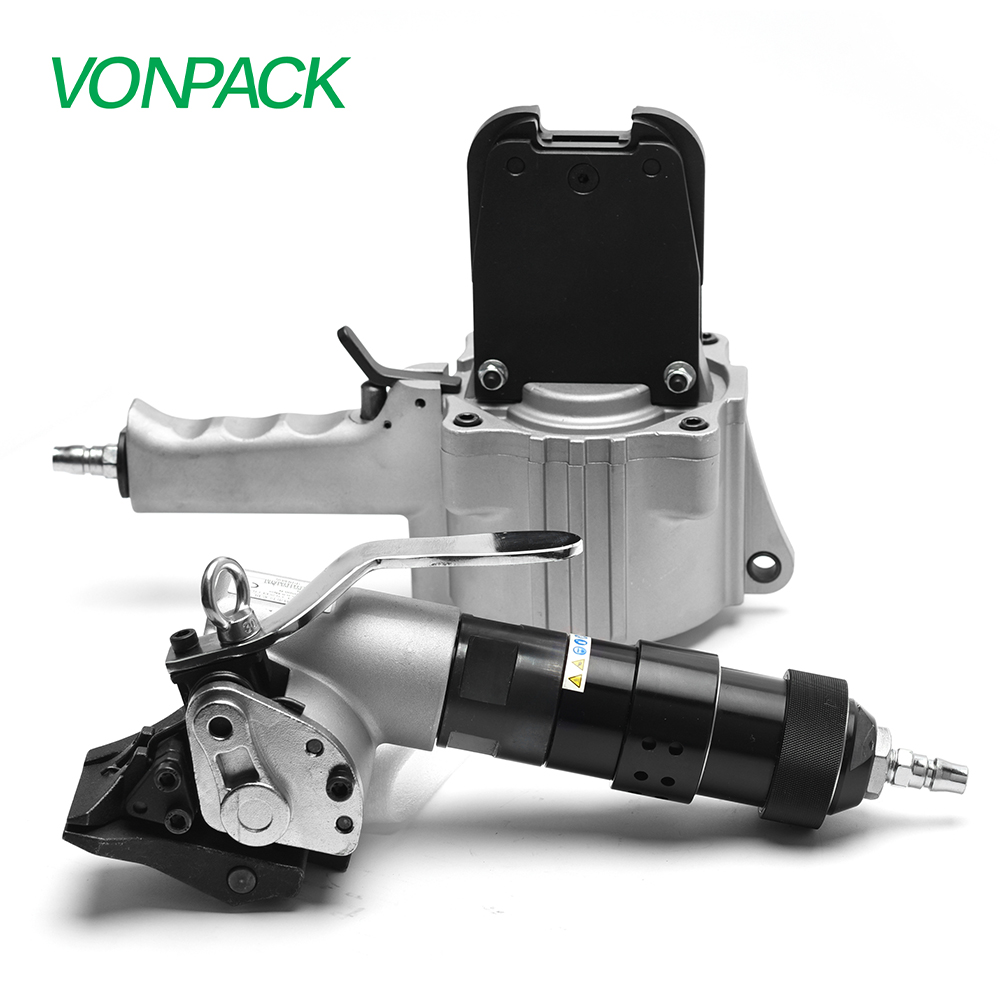
Ajuste el nivel de automatización de la máquina de atado a su volumen y flujo de trabajo
Máquinas de atado manuales, semiautomáticas y totalmente automáticas: puntos de referencia de volumen y hitos de retorno de la inversión
La cantidad de producción determina realmente qué nivel de automatización funciona mejor. Para operaciones pequeñas de menos de 50 paquetes por hora, el atado manual tiene sentido, ya que no implica una inversión inicial elevada, aunque requiere que una persona realice todas las tareas manualmente cada vez. Las máquinas semiautomáticas pueden manejar entre 50 y aproximadamente 200 paquetes por hora, reduciendo las necesidades de mano de obra en cerca del 40 %, al tiempo que permiten a los trabajadores cambiar entre distintos productos o adaptarse a variaciones estacionales. Los sistemas totalmente automáticos están diseñados para instalaciones que necesitan mantener un ritmo constante superior a 200 paquetes por hora. Estos sistemas ofrecen resultados casi perfectos con una supervisión mínima y la mayoría de las empresas recuperan su inversión en unos 18 a 24 meses cuando operan a altos volúmenes. Al evaluar qué sistema adquirir, considere la estabilidad de la carga de trabajo a lo largo del tiempo, en lugar de perseguir únicamente aumentos temporales. El equipo semiautomático se adapta mejor a las fluctuaciones, mientras que las instalaciones con una producción constante y elevada obtienen mayores beneficios de los sistemas totalmente automatizados, que reducen los costos laborales y garantizan resultados consistentes día tras día.
Máquinas de atado móviles e integradas en transportadores para entornos dinámicos (3PL, comercio electrónico, exportación)
Optimice el rendimiento de las máquinas de atado según las exigencias de la carga y del entorno
Cómo el peso, las dimensiones del paquete y las condiciones ambientales influyen en el control de la tensión y la integridad del sellado
Obtener buenos resultados del amarre depende de adaptar las capacidades del equipo a la carga real que se transporta, así como a las condiciones ambientales que lo rodean. Si las cinchas están demasiado flojas, los objetos tienden a desplazarse durante el transporte, lo cual nadie desea. Por otro lado, si se aprietan demasiado, pueden dañar embalajes ligeros o deformar piezas delicadas en su interior. Por ejemplo, las cinchas de acero requieren aproximadamente un 15 % a un 20 % más de tensión en comparación con las de polipropileno al asegurar máquinas industriales pesadas cuyo peso supera las 2000 libras. Mientras tanto, las cinchas de PET resisten mejor la tensión en artículos más pequeños enviados mediante canales de comercio electrónico, donde los pesos se mantienen por debajo de las 500 libras. Las condiciones climáticas también son muy importantes: cuando la humedad supera el 60 %, las uniones por fricción en las cinchas de polipropileno pierden resistencia rápidamente, llegando a ser un 32 % más débiles, de hecho. La exposición a la luz solar degrada más rápidamente el poliéster en áreas de almacenamiento al aire libre, y cuando las temperaturas descienden por debajo de los 40 grados Fahrenheit, los sellos plásticos se vuelven rígidos y frágiles, aumentando hasta en un 27 % las probabilidades de rotura en operaciones de cadena de frío.
| El factor | Impacto en el rendimiento de la máquina de atado | Estrategia de Mitigación |
|---|---|---|
| Peso > 1.000 lb | Requiere correas de acero con tensado hidráulico | Sensores de tensión con ajuste automático |
| Alta Humedad | Compromete la adherencia de la soldadura térmica | Mecanismos de sellado resistentes a la humedad |
| Formas irregulares | Causa deslizamiento de las correas | Brazos de tensión que siguen el contorno |
Las máquinas fabricadas con resistencia ambiental —como carcasas resistentes a la corrosión para plantas químicas o sensores ópticos estabilizados frente a los rayos UV para uso en muelles— mantienen la integridad del sellado en el 98 % de las condiciones operativas reales.
Seleccione materiales de atado y métodos de sellado compatibles con su máquina de atado
Abrazaderas de acero, poliéster (PET) y polipropileno (PP): requisitos de compatibilidad con la máquina
Elegir el material adecuado depende del tipo de carga que se deba asegurar y del equipo que se vaya a utilizar. Las correas de polipropileno (PP) funcionan muy bien para cargas ligeras, como cajas en tiendas o artículos apilados dentro de almacenes. Estas correas operan eficazmente con herramientas manuales o semiautomáticas, siempre que la tensión se mantenga por debajo de aproximadamente 5.000 newtons. Luego está la correa de poliéster (PET), que ofrece una resistencia mucho mayor y una mayor durabilidad bajo presión. Esto la convierte en la opción ideal para el envío de cajas de madera al extranjero o para apilar palets más pesados al aire libre. Sin embargo, para manejar correas de PET, las empresas necesitan máquinas semiautomáticas o totalmente automáticas capaces de alcanzar tensiones entre 8.000 y 12.000 newtons. Para trabajos especialmente exigentes, como el embalaje de bobinas de acero o el transporte de grandes piezas de maquinaria, entra en juego la correa de acero. Con una resistencia nominal superior a 13.000 newtons, estas bandas de acero requieren equipos industriales especializados, con estructuras especialmente reforzadas y sistemas de alimentación específicos. La mezcla inadecuada de materiales genera problemas posteriores. Los expertos de Packaging Digest descubrieron que instalar correas de PET en un sistema diseñado exclusivamente para PP provoca, de hecho, aproximadamente un 23 % más de paradas imprevistas durante las operaciones.
| Material | Tensión máxima | Compatibilidad de Máquina | Casos de uso común |
|---|---|---|---|
| PP | 5.000 N | Manual, semiautomático | Cajas de luz, paquetes para interiores |
| PET | 12,000 N | Semiautomático, totalmente automático | Palets, contenedores para exportación |
| Acero | 20.000+ N | Líneas automáticas industriales | Bobinas metálicas, maquinaria |
Soldadura por fricción, soldadura térmica y sellos metálicos: selección de la tecnología de sellado según el tipo de correa y la capacidad de producción
El método de sellado realmente importa a la hora de determinar la velocidad con la que se realizan las operaciones, la fiabilidad de los resultados y qué tipos de materiales funcionan mejor juntos. La soldadura por fricción consiste en hacer vibrar las cinchas de PET y PP a altas frecuencias hasta que se fusionan efectivamente. Este proceso permite realizar más de 30 ciclos por minuto, razón por la cual la mayoría de las líneas de producción automatizadas de alta volumetría optan por este método. La soldadura térmica adopta un enfoque distinto: aplica calor para fundir y unir las cinchas plásticas. Funciona a aproximadamente 15–20 ciclos por minuto y tiende a generar sellados más eficaces sobre superficies irregulares o desiguales, que a veces aparecen en operaciones de embalaje. Los sellados metálicos constituyen otra opción, en la que las cinchas de acero se doblan mecánicamente. Estos suelen aplicarse manualmente o con herramientas más lentas, por lo que la producción alcanza como máximo unos 10 ciclos por minuto. Según un informe reciente de Logistics Tech Review publicado en 2023, la soldadura por fricción reduce los fallos de sellado en aproximadamente un 40 % en comparación con la soldadura térmica en centros de cumplimiento del comercio electrónico. Y recuerde algo importante aquí: siempre debe seleccionar la tecnología de sellado adecuada según el material de la cincha. Las cinchas de acero requieren sellados metálicos, mientras que las cinchas plásticas deben sellarse mediante métodos de fricción o térmicos. Nunca mezcle estos métodos, ya que simplemente no funcionan correctamente.
Preguntas frecuentes
¿Cuál es la mejor máquina de atado para operaciones pequeñas?
Las máquinas de atado manuales son adecuadas para operaciones pequeñas que producen menos de 50 paquetes por hora, debido a sus bajos costos iniciales.
¿Qué tipo de material de atado debo utilizar para aplicaciones de alta resistencia?
Se recomienda el atado de acero para aplicaciones de alta resistencia, como el embalaje de bobinas de metal o el transporte de piezas de maquinaria.
¿Cómo afectan los factores ambientales el rendimiento de las máquinas de atado?
Los factores ambientales, como la humedad y la temperatura, pueden afectar la integridad de las soldaduras y el control de la tensión. Por ejemplo, una alta humedad puede debilitar la adherencia de las soldaduras térmicas, mientras que las bajas temperaturas hacen que las soldaduras plásticas se vuelvan frágiles.