
 EN
EN
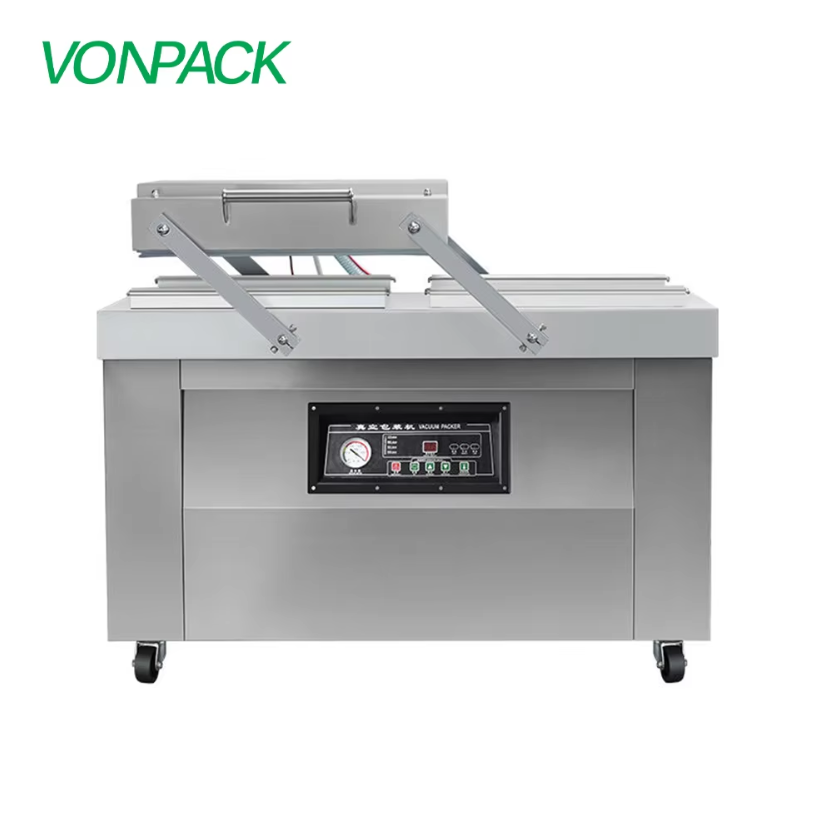
Почему выбор рабочих режимов важнее, чем кажется на первый взгляд
Большинство людей покупают вакуумный упаковщик, полагая, что единственная важная настройка — это кнопка включения. Затем они герметизируют пакет с мягкими ягодами и наблюдают, как фрукты превращаются в кашу. Или пытаются запечатать пакет с маринованным мясом, и жидкость всасывается в зону герметизации, разрушая уплотнение до его формирования. Именно в этот момент рабочие режимы перестают быть технической деталью и становятся разницей между устройством, которое работает на вашу кухню, и тем, которое противостоит ей. Разные продукты по-разному реагируют на вакуумное давление. Сухие продукты сохраняют форму. Мягкие продукты сплющиваются. Жидкости вспениваются и растекаются. Устройство с несколькими рабочими режимами позволяет подобрать силу вакуума и поведение при герметизации под конкретный упаковываемый продукт. Без такой гибкости вам придётся адаптировать продукты под устройство, а не устройство — под ваши продукты.
Стандартный сухой режим для повседневных предметов
Самый часто используемый режим на любом вакуумном упаковщике — стандартный сухой режим. В этом режиме создаётся полное вакуумное давление, и герметизация происходит сразу после удаления воздуха. Он отлично подходит для продуктов с незначительным или отсутствующим поверхностным содержанием влаги: орехов, зёрен кофе, твёрдых сыров, вяленых мясных изделий и сухой пасты. Эти продукты структурно устойчивы и не выделяют жидкость при снижении давления. Сухой режим также является самым быстрым, поскольку устройству не требуется пауза для управления влагой — оно просто откачивает воздух и герметизирует упаковку. Для тех, кто готовит порционные блюда или хранит в больших объёмах сухие закуски и базовые продукты из кладовой, этот режим справляется с основной частью задач. Практический совет от ежедневного использования: оставляйте немного дополнительного пространства в верхней части пакета. Даже в сухом режиме мелкие порошки — например, мука или молотый кофе — могут быть затянуты к зоне герметизации, если пакет заполнен до краёв. Дополнительные два-три сантиметра решают эту проблему без изменения каких-либо настроек.
Деликатный режим защищает мягкие и хрупкие продукты
Режим «Деликатный» существует не просто так: причина становится очевидной с первого же раза, когда кто-то запечатывает спелый персик при стандартных настройках. Полное вакуумное давление раздавливает мягкие продукты ещё до завершения цикла запечатывания. В режиме «Деликатный» сила всасывания снижается или подаётся короткими импульсами — это удаляет достаточное количество воздуха для сохранности, не разрушая структуру нежных продуктов. Хлеб, выпечка, ягоды, листовые травы и мягкие фрукты особенно выигрывают от этой функции. Компромисс заключается в том, что деликатный режим требует больше времени, поскольку устройство выполняет циклы аккуратнее. В некоторых моделях также доступно ручное управление продолжительностью вакуумирования, что даёт опытным пользователям ещё более точный контроль. Пекарь, желающий заморозить круассаны, не сплющив их, будет использовать режим «Деликатный» каждый раз. Результат — пакет, надёжно запечатанный с удалением большей части воздуха, но круассаны внутри сохраняют свой первоначальный вид. Именно этого и добиваются: сохранность не должна достигаться ценой потери исходной формы продукта.
Режим «Влажные продукты» позволяет герметизировать жидкости без беспорядка
Режим «Влажные продукты» — это функция, которая отличает раздражающий вакуумный упаковщик от по-настоящему полезного устройства. Продукты с высоким содержанием жидкости создают особую сложность. Вакуумный насос откачивает воздух, однако при снижении давления жидкость начинает пузыриться и подниматься. Если устройство запечатывает пакет слишком рано, внутри остаётся воздух. Если слишком поздно — жидкость достигает зоны термозапайки и ослабляет шов. Режим «Влажные продукты» решает эту проблему за счёт увеличения времени запайки и корректировки цикла вакуумирования для контроля движения жидкости. Он даёт устройству время распознать всплеск жидкости и завершить запайку до того, как жидкость достигнет зоны герметизации. Этот режим необходим для влажного мяса, маринованных белковых продуктов, бланшированных овощей и соусов. Кроме того, для надёжного шва требуется больше тепла и более длительное время выдержки, чтобы проплавить любую плёнку влаги на внутренней поверхности пакета. Именно поэтому режим «Влажные продукты» реализован как отдельная опция, а не просто как удлинённый сухой цикл.
Импульсный режим для полного ручного управления
Режим импульсной работы — любимый режим опытных пользователей, которые хотят полного контроля над процессом вакуумирования. Вместо автоматической работы до полного удаления воздуха импульсный режим позволяет пользователю нажимать и удерживать кнопку, чтобы активировать всасывание короткими импульсами. Это означает, что оператор сам решает, сколько воздуха удалить перед герметизацией. Режим особенно полезен для предметов нестандартной формы или продуктов с острыми краями, которые могут проколоть пакет при полном вакууме. Он также хорошо подходит для жидких продуктов, когда пользователь хочет остановить вакуумирование до того, как жидкость начнёт двигаться к зоне герметизации. Кривая обучения немного круче, чем у автоматических режимов, однако большинство людей осваивают его за несколько сеансов. Импульсный режим превращает вакуумный упаковщик в точный инструмент, а не в устройство «одна кнопка — одна функция». Любой, кто упаковывает широкий спектр продуктов, со временем найдёт для него применение.
Выбор подходящего режима для текущей задачи
Практичный подход заключается в том, чтобы подбирать режим в зависимости от категории продукта, не усложняя задачу. Сухие продукты — в режим «Сухой». Мягкие продукты — в режим «Деликатный». Продукты с видимой жидкостью — в режим «Влажный». Продукты, требующие особо аккуратной обработки из-за сложности или высокой стоимости, — в режим «Импульсный». Преимущество хорошо спроектированного устройства в том, что эти режимы чётко обозначены и легко переключаются, поэтому выбор занимает секунды, а не минуты. Со временем выбор режима становится автоматическим: сам продукт «подсказывает», какой режим ему нужен. Компания Vonpacking выпускает вакуумные упаковщики, в панель управления которых интегрированы именно такие рабочие режимы; многолетний опыт компании в производстве коммерческого упаковочного оборудования гарантирует плавность и надёжность переключения режимов даже при ежедневной эксплуатации. Для домашних кулинаров и небольших предприятий пищевой отрасли такой уровень контроля превращает вакуумный упаковщик из простого средства хранения в полноценный кухонный инструмент, адаптирующийся к любому продукту, который предстоит запечатать.
Содержание
- Почему выбор рабочих режимов важнее, чем кажется на первый взгляд
- Стандартный сухой режим для повседневных предметов
- Деликатный режим защищает мягкие и хрупкие продукты
- Режим «Влажные продукты» позволяет герметизировать жидкости без беспорядка
- Импульсный режим для полного ручного управления
- Выбор подходящего режима для текущей задачи