
 EN
EN
Optimize Vacuum and Seal Parameters for Load-Specific Performance
Adjusting vacuum time and pressure by load type: liquids, solids, and foams
Getting good results from chamber vacuum sealing means adjusting settings based on what material we're working with. When dealing with liquids, keep vacuum cycles short around 3 to 5 seconds max and set pressure somewhere between 70 and 80 percent. This helps stop things from boiling over or spilling out. A good tip is to stop the vacuum just before the liquid gets too close to the top of the bag. Meat products require longer vacuum times though about 10 to maybe even 15 seconds at roughly 95% pressure level. This removes those stubborn oxygen pockets without messing up the meat's texture. For stuff like foam materials or anything else that looks spongy, go easy on them. Lower pressure under 60% works better here, and using that pulse sealing method prevents the whole thing from collapsing. Testing always makes sense too. Try sealing some samples first and tweak the settings until packages stick together nicely without any wrinkles forming or little air pockets remaining visible.
Why ultra-high vacuum (99.5–99.9%) isn’t always optimal—and when to stop early
Maximum vacuum intensity often compromises results for delicate items. High suction (above 99%) crushes soft fruits, extracts essential oils from herbs, and dehydrates marinated proteins by 15–20%. Terminate vacuuming early when sealing:
- Juicy meats at 90–95% to retain natural juices
- Leafy greens or baked goods at 80–85% to preserve cell structure
- Fermented products like kimchi at 70% to avoid killing probiotics
Pressure-hold tests reveal most leaks occur at extreme settings—monitor the gauge for stable readings before sealing. For non-food industrial items like electronic components, partial vacuum (60–70%) prevents moisture ingress while minimizing compression damage.
Maintain Sealing Integrity Through Proactive O-Ring and Leak Management
Food-grade silicone lubrication and scheduled O-ring inspection/replacement
Keeping those O-rings properly maintained is essential if we want to avoid vacuum leaks and keep our equipment running longer than expected. When it comes time for cleaning cycles, reach for food grade silicone lubricants instead of regular oils. These special lubes cut down on friction by around two thirds and meet those important NSF/ANSI 61 safety requirements too. Every month or so, take a close look at those seals. Watch out for any signs of cracking, squishing flat against surfaces, or changes caused by chemicals they've been exposed to. Most shops find that replacing O-rings once per year works well, though some might need new ones after about ten thousand operating cycles depending on usage intensity. Old worn out rings are actually responsible for most vacuum system breakdowns in industrial settings. And when storing extra rings, remember to keep them somewhere dark where there's no exposure to sunlight or ozone generating equipment nearby.
Quick pressure-hold testing and diagnosing common vacuum leaks in chamber vacuum sealers
Run pressure hold tests every week to catch those sneaky leaks before they become big problems. First thing is to shut down the empty chamber, then kick off a vacuum cycle and keep an eye on what happens with the pressure readings. When we see pressure climbing faster than 5 mbar per minute according to ISO standards, that's our signal something's leaking somewhere. Most often we find issues around door seals, valves sitting wrong, or maybe those little drain plugs getting loose over time. Grab some soapy water and spray it around suspected areas until bubbles start appearing where air escapes. Don't wait too long once a leak shows itself either - tightening connections or swapping out worn parts right away matters because letting leaks go can really eat into energy bills, sometimes adding as much as 30% extra costs. The whole process doesn't take long at all, usually less than five minutes, yet saves loads of money in the long run by avoiding expensive equipment failures.
Boost Operational Efficiency With Smart Loading and Culinary Applications
Stabilizing small or irregular loads using water or inert fillers
Small things like berries or oddly shaped foods can be tricky to seal properly in chamber vacuum sealers. The trick is placing something around them to keep everything from moving around during the process. Many chefs find that surrounding these delicate items with water or other safe materials helps spread out the pressure evenly when the machine does its thing. Restaurants report this simple method cuts down on bad seals by about 40%, which makes a huge difference in busy kitchens. Nobody wants to waste time redoing bags or throwing away packaging material, especially when they're dealing with hundreds of orders each day.
Accelerating marination and liquid sealing—leveraging chamber vacuum for B2B food prep
Vacuum sealing chambers let food soak up marinades super fast, pushing liquid right into meats in just a few minutes instead of waiting all day. The pressure technique actually gets flavors about three times deeper than regular soaking methods, which means restaurants can prepare meals much quicker without sacrificing taste. When working with things like soups or stews, giving them a quick 3 second vacuum first stops everything from boiling over during the sealing process. Boil overs are a real pain because they mess up the chamber interior and nobody wants to spend time cleaning it all up after.
Choose and Maintain the Right Chamber Vacuum Sealer for Sustainable Gains
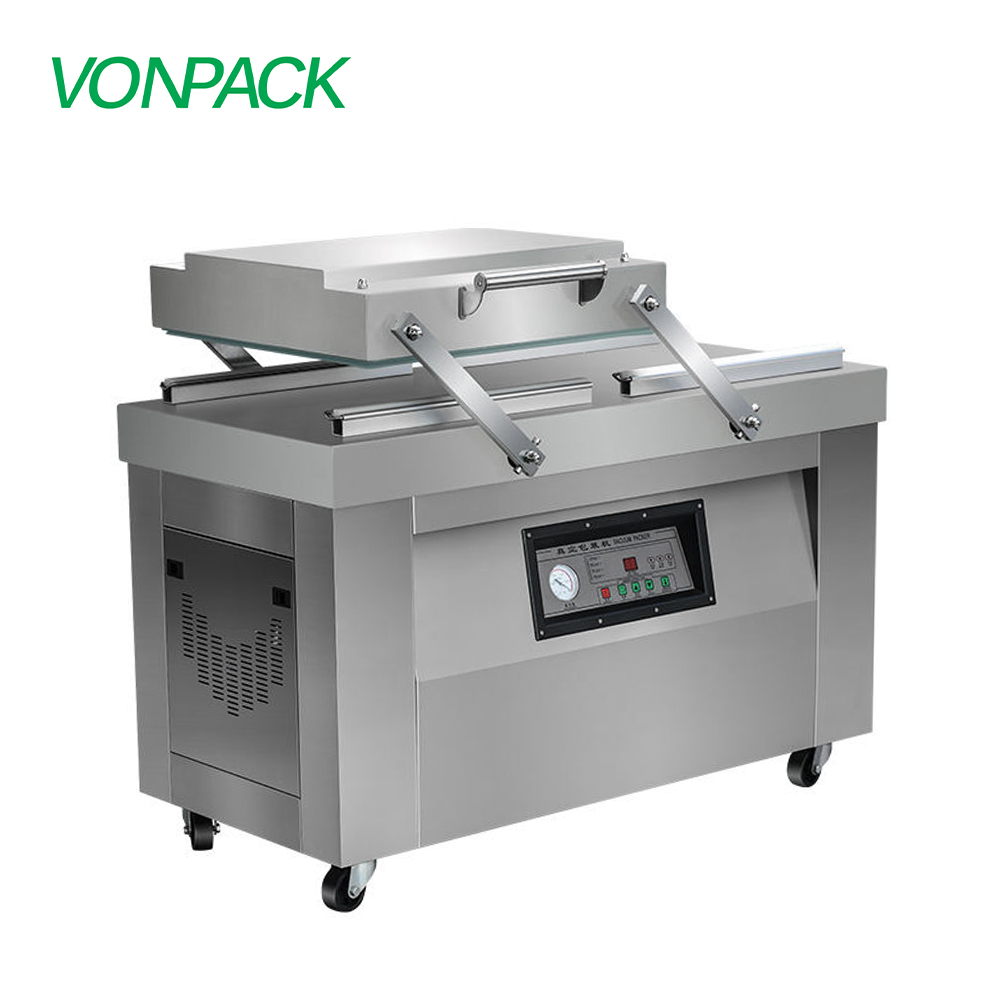
Picking out the right vacuum sealer comes down to matching what the business actually needs versus what's realistically possible day to day. For places that handle serious volume, like those cranking out over a thousand packages each day, industrial strength machines are the way to go. These bad boys have two chambers going at once so workers don't sit around waiting, plus they're built tough enough to run nonstop without breaking a sweat. On the flip side, smaller operations that only need to package maybe 400 things or fewer per day will find compact models much more practical. They fit nicely on countertops, don't guzzle electricity, and still manage to create decent seals for all sorts of products from seasonings and condiments to ready-to-eat meals.
Proactive maintenance directly impacts longevity and ROI:
- Inspect O-rings monthly for cracks or flattening, replacing them annually
- Apply food-grade silicone lubricant quarterly to maintain airtight seals
- Conduct weekly pressure-hold tests to identify leaks early
- Clean sealing bars after each shift to prevent residue buildup
Prioritizing these practices reduces unplanned downtime by up to 70% while extending equipment lifespan. For sustainable efficiency gains, match machine capacity to actual daily output and implement rigorous maintenance protocols.
FAQ Section
How should I adjust vacuum settings for different materials?
Adjust vacuum settings based on the material type you're sealing. Liquids require shorter vacuum cycles (3-5 seconds) with 70-80% pressure, while solids like meat need longer cycles (10-15 seconds) at about 95% pressure. Foam materials perform better at lower pressures (under 60%) with pulse sealing methods to prevent collapse.
Why isn't ultra-high vacuum always optimal?
Ultra-high vacuum settings (99% and above) can crush delicate items like soft fruits or herbs, and lead to dehydration of marinated proteins. It's best to stop vacuuming early for such items.
How often should I inspect O-rings?
Inspect O-rings monthly for cracks or flattening and replace them annually. If you find serious wear, consider replacing them sooner.
What is the benefit of pressure-hold testing?
Pressure-hold testing identifies leaks before they become major issues. You should run these tests weekly to maintain equipment efficiency and reduce energy bills.