
 EN
EN
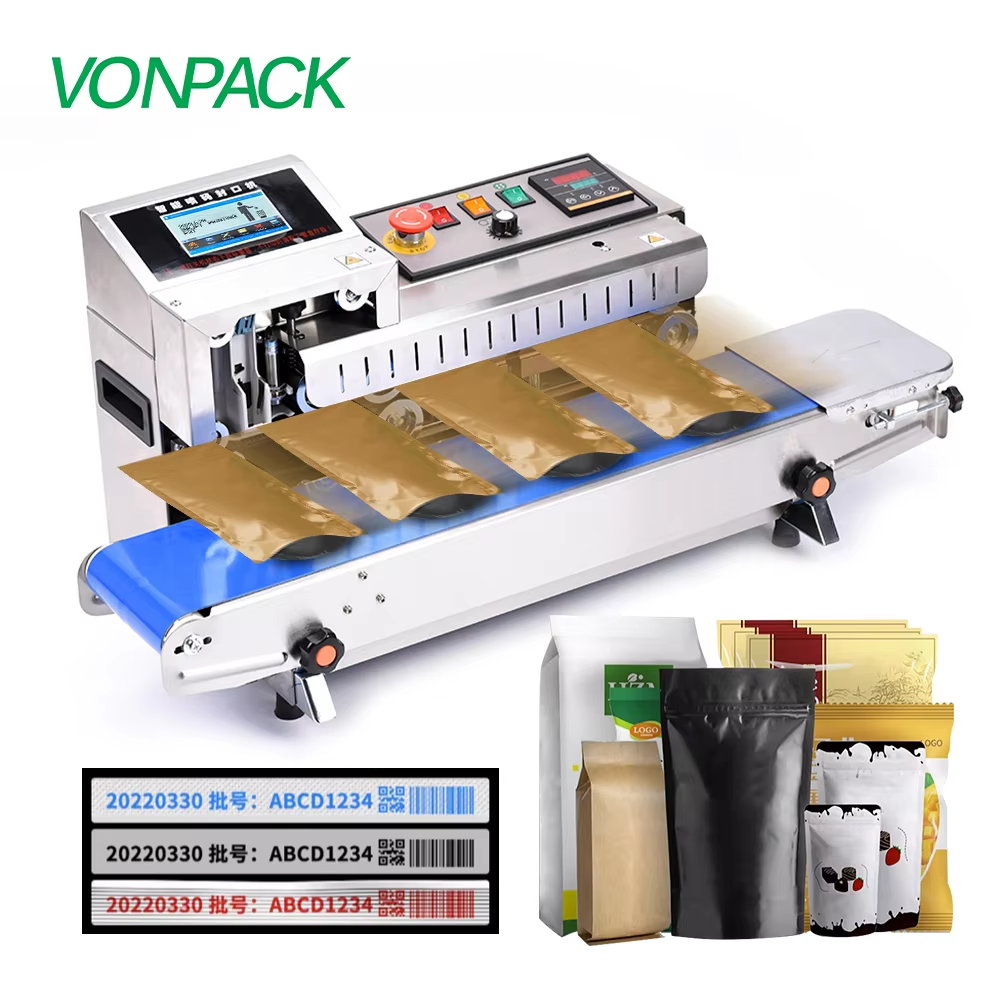
Daily Maintenance Essentials for CIJ Sealing Machine Reliability
Preventing nozzle blockages and printhead cogs through scheduled cleaning
For Continuous Inkjet (CIJ) systems to work properly, those nozzles need to stay clear so the ink applies just right when sealing products. Most setups run automatic flushes every day with solvents approved by the manufacturer these help break down leftover ink before it turns hard and clogs things up. After each flush, someone needs to wipe down the nozzle plate manually with lint-free swabs because some tiny particles always manage to stick around despite the internal cleaning process. Plants that stick to this two-pronged maintenance strategy see about 35% fewer unexpected shutdowns than those who only clean once a week according to Packaging Efficiency Report data from last year. And here's why it matters: even small blockages can mess up expiration dates or batch numbers which gets companies in trouble with regulators. That's why most experienced operators recommend cleaning right after shifts end instead of waiting until later when equipment sits idle and any remaining ink has time to dry out completely.
Monitoring ink, solvent, and additive levels to sustain stable jet formation in sealing applications
Keeping the fluid at just the right thickness matters a lot for getting those jets to form properly and stick well to packaging materials. Before starting work each day, check what's left in those reservoir tanks either through clear glass windows or with those electronic level indicators everyone installs these days. Don't let the ink drop below certain levels because when it gets too low, air starts getting sucked in and messes up where the droplets land. The solvent mix needs special attention too. If there's not enough solvent, things get too thick and we end up with those annoying satellite droplets that smear our codes all over the place. But put too much solvent in there and the stuff won't bond properly to whatever surface we're printing on. We should keep track of additives like defoamers and stuff that helps things stick better once a month or so. Getting these wrong can really cut down on how dark our prints look, sometimes making them almost invisible on shiny surfaces. Recording how much gets used every day helps predict when we need to restock, so we don't run out mid-job during important sealing tasks.
Weekly and Monthly System Checks to Extend CIJ Sealing Machine Lifespan
Inspecting filters, tubing, seals, and pressure systems for leaks or degradation
Weekly and monthly inspections of critical components prevent costly failures in CIJ sealing machines. Weekly protocols should include:
- Filter examination: Replace clogged filters to maintain ink flow integrity and prevent particulate contamination
- Tubing assessment: Check for cracks, kinks, or wear in fluid delivery lines that compromise sealing precision
- Pressure system verification: Confirm consistent operating pressure (±5% tolerance) using calibrated gauges
Monthly evaluations escalate to comprehensive assessments:
- Seal integrity testing: Perform leak-down tests on gaskets and O-rings using approved detection fluids
- Degradation analysis: Document wear patterns in high-stress components such as pump diaphragms and valve seals
- Systematic pressure calibration: Validate regulator functionality across the machine™s full operating range
These layered checks address 78% of preventable downtime causes in industrial coding systems by identifying issues early. Technicians should prioritize components showing abnormal wear from prior inspections-recurring faults often signal underlying systemic problems. Consistent documentation builds predictive maintenance benchmarks, extending functional lifespan by 30-40% versus reactive repair approaches.
Long-Term Care Strategies for Industrial CIJ Sealing Machines
Proper shutdown, storage, and idle-time protocols to prevent solvent evaporation and crystallization
When equipment sits unused for long stretches, there are certain steps that need following. First things first, run through those ink lines with whatever solvent the manufacturer recommends. Left alone too long, residue builds up and starts to crystalize, which nobody wants. After using solvent tanks, always seal them tight right away. Evaporated solvent equals broken nozzles down the road, trust me on this one. Keep storage areas cool, ideally under 25 degrees Celsius or about 77 Fahrenheit, and watch out for humidity levels staying above 60%. Temperature swings and damp air will ruin good solvent faster than most people realize. And if machines will be sitting around longer than two days straight, there's definitely more work involved to keep everything running properly when they come back online.
- Disconnect power and relieve pneumatic pressure
- Apply protective caps to printheads
- Conduct weekly nozzle test sprays to maintain fluid path integrity
Strategic spare parts management: Prioritizing high-wear components critical to sealing machine uptime
Proactive inventory planning prevents operational paralysis. Industry studies show unplanned downtime costs manufacturers $740k annually (Ponemon Institute, 2023), with CIJ sealing machines especially vulnerable to three high-failure components:
- Solenoid valves (replace every 6-12 months)
- Ink filters (monthly replacement in high-volume operations)
- Printhead dampers (every 3,000 operating hours)
Maintain real-time consumption tracking via maintenance logs, aligning critical spares with predictive replacement schedules-not reactive ordering. This approach reduces machine downtime by 57% compared to emergency procurement scenarios.
Optimizing Ink and Solvent Compatibility for Consistent Sealing Performance
Getting good print results on packaging really depends on how well the ink works with whatever material it's printed on, which all comes down to those surface energy interactions. When we talk about sealing performance, there's actually a pretty specific requirement here. The surface energy of whatever material we're printing on needs to be at least 10 to maybe 15 dynes per centimeter higher than what the ink brings to the table. This makes sure the ink spreads properly and creates strong enough bonds. Solvent-based inks tend to stick better to things like polyethylene since they can actually penetrate into the material and hold up against all sorts of environmental challenges, which is why they're so commonly used in industrial sealing applications. Water-based inks are becoming popular these days because they emit fewer volatile organic compounds and work well on porous materials, but companies still need to do thorough testing to make sure everything plays nice together before going into production.
| Factor | Solvent-Based Inks | Water-Based Inks |
|---|---|---|
| Adhesion Strength | High (ideal for plastics) | Moderate (porous surfaces) |
| Drying Speed | Fast (supports high-speed lines) | Slower |
| Environmental Impact | Higher VOC emissions | Lower VOC, sustainable |
Incompatible pairings cause ink beading, poor adhesion, or nozzle clogs. UV-curable inks, for instance, require substrates with >42 dynes/cm surface energy to prevent delamination. Regularly verify surface tension thresholds using dyne pens or contact angle analyzers — this simple step prevents print defects and sustains sealing machine uptime.
FAQ
Why is it important to clean the CIJ system daily?
Daily cleaning prevents nozzle blockages, ensuring ink is applied properly without disruptions to product seals.
How often should I check the fluid levels in my CIJ system?
It's best to check fluid levels daily before starting work to avoid issues with ink formation and droplet placement.
What is the ideal storage environment for CIJ sealing machines?
Store CIJ machines in cool, dry places with temperatures not exceeding 25°C and humidity levels below 60% to prevent solvent issues.
How do solvent-based inks differ from water-based inks?
Solvent-based inks have higher adhesion strength and quicker drying times, suitable for plastics, while water-based inks are better for porous surfaces and generate fewer VOC emissions.