
 EN
EN
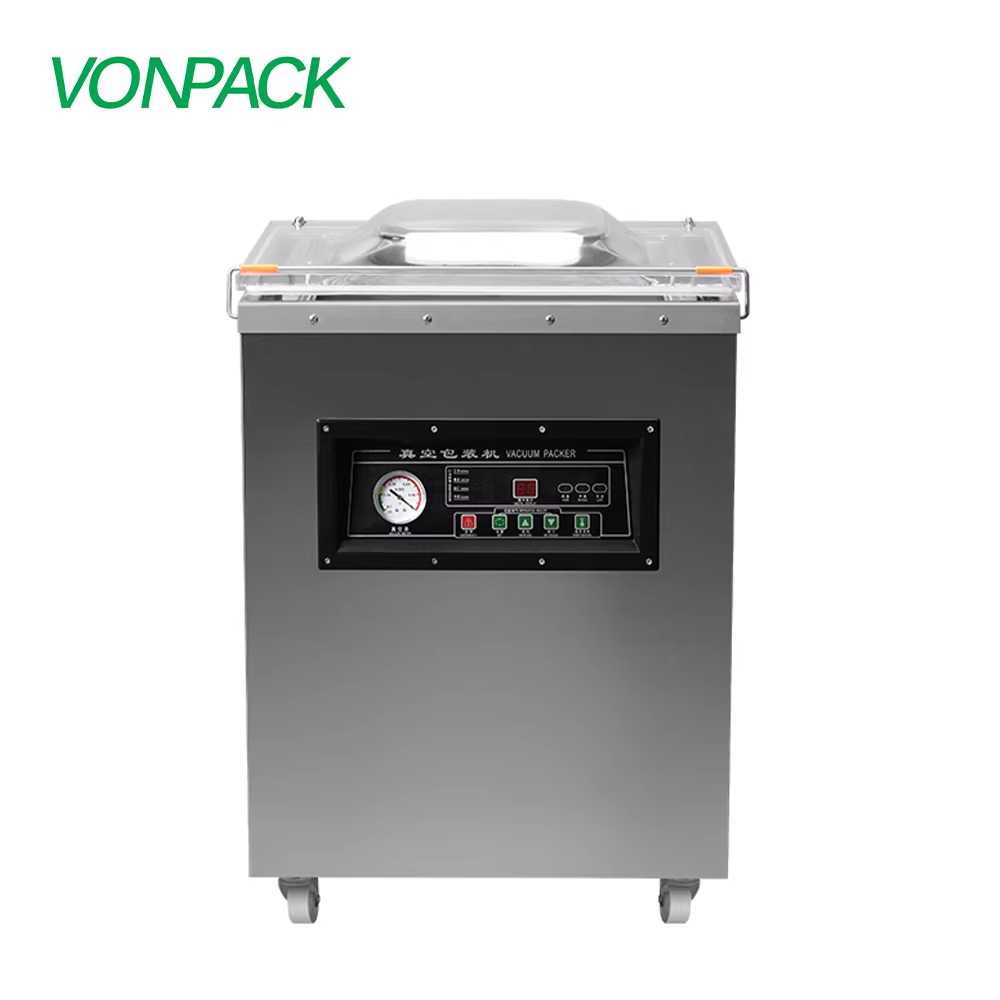
Daily Cleaning Routine for Your Vacuum Sealer Machine
Wipe-down sequence after each use: timing, tools, and residue prevention
After sealing food, it's best to wipe down the vacuum sealer right away using a microfiber cloth before any residue starts to harden. For those stubborn sticky spots, mix some white vinegar with water at a ratio of about one part vinegar to four parts water works wonders. Stay clear of anything abrasive since these can scratch the surface over time. Pay special attention to the sealing channel area because that's where most of the food bits and oils tend to collect. If left too long, those oils will set pretty quickly and actually weaken future seals maybe as much as thirty percent according to some tests. Get everything dry within five minutes or so to avoid any problems from lingering moisture.
Safe cleaning of the sealing bar and vacuum chamber to avoid damage or contamination
When dealing with the sealing bar, reach for rubbing alcohol and a cotton swab instead of water. Alcohol cuts through grease effectively without leaving moisture behind. For cleaning the vacuum chamber itself, grab a lint-free cloth soaked in distilled water but be careful not to get any liquid near the motor housing or control panel area. Water there can cause serious problems down the road. Avoid ammonia based cleaners at all costs since they eat away at Teflon coatings after repeated use. Speaking of maintenance, check those rubber gaskets every week for signs of wear like tears or compression damage. Most technicians will tell you that faulty gaskets are responsible for around two thirds of early air leak issues in countertop models. A quick weekly inspection saves headaches later on.
Electrical safety essentials: always unplug before cleaning and managing moisture exposure
Before doing any kind of cleaning or maintenance work on a vacuum sealer, make sure it's unplugged first. A lot of people don't realize this but about 40 percent of all control board problems each year actually come from electrical surges when things get wet during cleaning. If there are spills around the machine, grab a cloth and wring it out until its pretty much just damp rather than soaking wet. This helps keep liquids from getting into those sensitive areas near switches and power outlets. Keep those cleaning supplies stored somewhere else so they won't accidentally turn the device on while someone is working on it. And watch out for compressed air too close to the ports because forcing moisture into those spaces can really mess up the internal parts over time.
Sealing System Maintenance for Reliable Vacuum Sealer Machine Performance
Inspecting, cleaning, and replacing the sealing bar and Teflon tape
Always make sure the machine is unplugged before doing any inspection work or cleaning. After using the device, take a quick look at the sealing bar for anything odd like leftover residue, burn spots, or strange color changes. For cleaning, grab a damp microfiber cloth instead of those harsh abrasives or strong solvents unless it's just plain rubbing alcohol. The Teflon tape deserves attention too. Check it once a month for signs of damage such as cracks, flaking edges, or areas where it's getting thin. If there's any visible wear, swap it out right away since bad tape means poor seals that won't hold up. Most folks find they need new tape somewhere between six months and a year depending on how often they use their machine at home. Regular maintenance really pays off in the long run by keeping heat distribution even across surfaces and making the whole thing last much longer than it otherwise would.
Gasket hygiene and seal integrity checks to prevent air leaks
For regular maintenance, wipe those gaskets down once a week with some cotton swabs soaked in white vinegar. This helps dissolve any stubborn grease that builds up over time. Make sure they're completely dry before putting everything back together again. To check if the seals are still working properly, do a quick test every three months or so. Just stick a dollar bill partway into the chamber and turn on the vacuum. When it comes out without resistance, it's probably time for new gaskets. Those little air leaks can really cut down on suction power, sometimes as much as forty percent based on what various repair shops have found. And remember to keep spare gaskets stored in their natural state, never stretched out. Stretching them damages the material over time and reduces how well they'll compress when needed later on.
Vacuum Pump Care to Sustain Your Vacuum Sealer Machine’s Suction Power
Monitoring and changing vacuum pump oil every 1–2 months
Keeping oil levels in check for oil lubricated pumps really matters if they're going to last. Take a look at the oil once a month or so. If it looks cloudy, has a milky appearance, or just seems too dark, that usually means something bad has happened inside the system. Time to change that oil! Most folks find replacing it every one to two months works pretty well, though heavy users might need to do this more often. Putting off oil changes can actually boost internal friction by around 40%, which wears down those precious bearings and vanes much faster than normal. Stick with what the manufacturer recommends when picking oil grades. The right viscosity makes all the difference for seals working properly. Once fresh oil goes in, give the pump a quick run without sealing everything up first. This lets the oil flow through properly and catches any leaks before they become big problems. Making these regular checks part of maintenance routines typically adds two to three extra years to pump life while keeping vacuum pressure stable throughout operations.
Cleaning intake filters and diagnosing early suction decline
Intake filters getting clogged cause around 70% of all suction problems in vacuum sealers according to most estimates. These should be cleaned once a month with compressed air or maybe a gentle brush. Don't just go rinsing those washable ones unless the manual specifically says it's okay. When the sealing takes longer than usual, when bags don't really compress properly, or when the machine seems to take forever to suck out the air, check those filters first thing. Sometimes even after cleaning, the suction remains weak. That could mean the piston rings have worn down over time, the rubber tubes inside have started to degrade, or there's some hidden leak somewhere else in the system nobody thought to check. Catching these issues early on can save money too. People who fix things as soon as they notice problems tend to spend about half what others do who wait until something breaks completely before doing anything about it.
Proactive Replacement of Wear-and-Tear Parts in Your Vacuum Sealer Machine
Keeping those high stress components replaced on schedule really makes a difference in how reliable everything stays. The main things that wear out are stuff like sealing wires, gaskets, O-rings, plus all those vacuum hoses which tend to break down because of temperature changes, getting covered in residues, and just plain old mechanical stress. When we replace these parts before they fail, systems can last about 40% longer according to Motion Drives & Controls research from last year. And each time something goes wrong without proper maintenance, companies lose around $5,200 worth of productivity. Check those seals once a month for cracks or when they start feeling too hard. If vacuum hoses show any stiffness, kinks, or just look worn out, swap them right away. For sealing bars, give them a good look every three months to spot pits, warps, or surfaces that aren't smooth anymore. Having spare parts approved by manufacturers in stock means faster fixes when problems arise, cuts down on downtime, and keeps suction power and air tightness where they need to be.
FAQ
How often should I wipe down my vacuum sealer machine?
It's recommended to wipe down your vacuum sealer machine immediately after each use to prevent residue from hardening.
What should I use to clean the sealing bar?
Use rubbing alcohol and a cotton swab to clean the sealing bar, as it cuts through grease effectively without leaving moisture.
Why is it important to unplug the vacuum sealer before cleaning?
Unplugging the vacuum sealer prevents electrical surges that can occur from moisture exposure during cleaning.
How often should the vacuum pump oil be changed?
For optimal performance, change the vacuum pump oil every one to two months, or more frequently if the machine is heavily used.
What signs indicate that my vacuum sealer's gaskets need replacement?
If air leaks are evident, or if a dollar bill test shows a lack of resistance, it's time to replace the gaskets to maintain proper suction power.