
 EN
EN
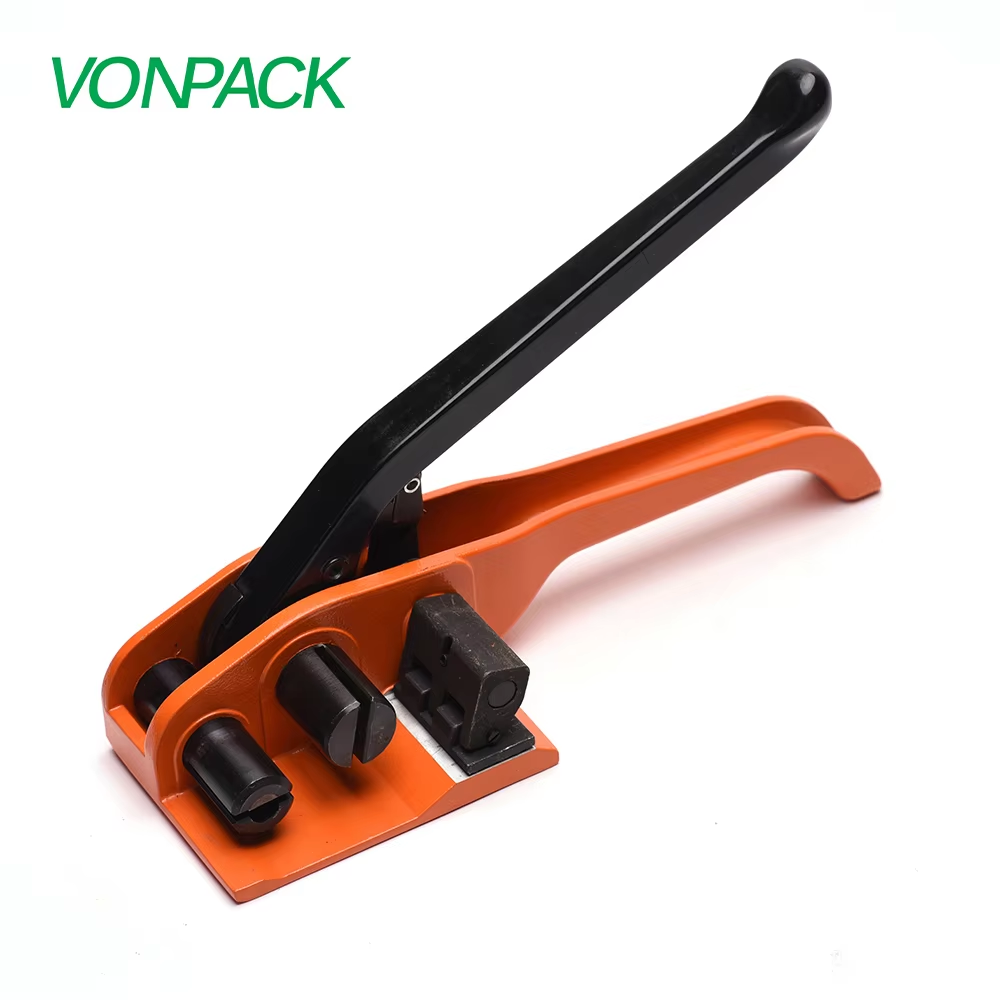
What Is a Banding Tool? Core Functionality and Industry Applications
Banding tools, sometimes referred to as strapping machines or bundling equipment, wrap tight straps around items to keep everything together during storage, shipping, or when getting ready for further processing. The machines work on different materials including polypropylene, polyester, and even steel bands. They can be operated manually, partially automatic, or completely automatic depending on what's needed. After tightening things down, they usually join the ends either by heating them until they melt together or through friction welding techniques. When all that happens, there's actually quite a bit of pressure applied, around 12 pounds per square inch typically. This pressure holds everything in place so nothing moves around unexpectedly, which helps prevent damage to both the product itself and whatever container it might be sitting in.
Industries deploy banding tools for distinct operational advantages:
- Manufacturing stabilizes component bundles and raw materials during assembly lines
- Logistics secures palletized goods, reducing load failures during transit by 27% (Packaging Digest 2023)
- Agriculture bundles harvests like hay bales, preventing spoilage from environmental exposure
- Printing collates magazines and newspapers into distribution-ready units
- Food processing groups fragile items like produce or baked goods without crushing
Unlike rigid containment methods, banding adapts to irregular shapes—from wire harnesses in aerospace to textile rolls—while using 40% less material than shrink wrapping. This versatility makes it essential for e-commerce fulfillment centers handling 30,000+ daily shipments, where rapid bundling prevents bottlenecks.
Selecting the Right Band Material and Size for Your Banding Tool
Choosing optimal band materials and dimensions ensures secure bundling while maximizing your banding tool’s efficiency. Material selection impacts durability, cost, and environmental footprint; proper sizing prevents tool strain and band failure.
Paper, Plastic, and Film Bands: Strength, Cost, and Sustainability Trade-offs
For light stuff such as books or small retail packages, paper bands work well since they're made from recycled materials and cheaper too, but they just can't handle moisture or stress very well. On the other hand, polypropylene PP plastic bands are much tougher and won't get ruined by water, making them great for bundling heavier goods or industrial items. The downside? They cost more money and create more plastic trash when disposed of. Then there's biodegradable options like PLA film which sits somewhere in the middle ground. These break down in industrial compost facilities over time, so they're pretty good for things that aren't super heavy but need some protection against the elements. When picking what kind of banding to use, consider how much the item weighs, where it will be stored or transported, and what level of environmental responsibility makes sense for the business or organization involved.
Sizing Guidelines: Matching Band Width, Thickness, and Load Profile to Banding Tool Capabilities
The width and thickness of strapping bands really matter when it comes to keeping loads secure and making sure they work with different tools. Thin bands below 10mm are great for smaller packages while anything over 100mm wide helps keep pallets stable during transport. When dealing with heavier items, thicker bands provide better support but need special tools that can handle strong tension forces. Before starting any job, check what kind of bands your equipment can actually handle since mismatched sizes often lead to jams or poor seals. Never underestimate the importance of matching band strength to actual cargo weight either. We've seen plenty of situations where people tried using lightweight strapping for heavy machinery only to end up with broken bands mid-transit. Getting this right not only makes operations smoother but also saves money on replacement parts down the road.
Optimizing Banding Tool Performance: Tension, Sealing, and Adjustment
Tension Calibration: Why 8–12 psi Maximizes Efficiency and Joint Integrity
Precise tension control is critical for banding tool reliability. Industry standards confirm that maintaining 8–12 psi optimizes joint integrity while preventing material damage or slippage. This range balances load security, material preservation, and operational efficiency—reducing band breakage and rework rates across applications ranging from lightweight electronics to industrial machinery.
Sealing Methods Compared: Thermal, Friction, and Ultrasonic for Reliable Banding Tool Output
Selecting the optimal sealing method directly impacts banding durability. Key approaches include:
| Method | Best For | Bond Strength | Speed |
|---|---|---|---|
| Thermal | Plastic/PET bands | High | Moderate |
| Friction | Polypropylene | Medium-High | Fast |
| Ultrasonic | Specialty films | Highest | Slow-Moderate |
Thermal sealing melts band ends for robust fusion; friction welding uses vibration for energy-efficient bonds. Ultrasonic alternatives deliver superior strength for high-value goods but require greater investment. Material compatibility remains paramount—steel bands typically need mechanical crimping.
Maintaining Safety and Longevity of Your Banding Tool
Consistent maintenance protocols directly impact both operator safety and equipment lifespan. Facilities implementing daily inspections reduce banding tool failure rates by up to 40% while mitigating laceration and tension-related hazards.
Daily Inspection and Preventive Maintenance Checklist
Execute these critical steps before each shift:
- Debris Removal: Clear particulate matter from tensioning wheels and sealing jaws using compressed air
- Wear Inspection: Check for cracks in handles, frayed cables, or misaligned feed mechanisms
- Lubrication Verification: Apply high-temperature grease to pivot points per manufacturer specifications
- Calibration Test: Validate tension settings (8–12 psi range) with sample bands
- Storage Protocol: Secure tools in climate-controlled environments to prevent corrosion
Facilities documenting these procedures report 30% longer service life and eliminate 92% of snap-back incidents. Establish a maintenance log to track component wear patterns and schedule professional servicing every 500 operating hours. This systematic approach prevents unexpected downtime while ensuring OSHA-compliant operation.
FAQ
What materials can banding tools work with?
Banding tools can handle materials such as polypropylene, polyester, and steel bands, accommodating various needs for industrial and commercial applications.
Why is maintaining tension between 8-12 psi important?
This tension range optimizes joint integrity, balances load security, and minimizes material damage, enhancing the overall efficiency and reliability of the banding tool.
How often should banding tools undergo maintenance?
Daily inspections are recommended to minimize failure rates and enhance safety. Additionally, professional servicing should be scheduled every 500 operating hours.
What are the benefits of using biodegradable film bands?
Biodegradable film bands, like PLA, offer a middle-ground solution, breaking down over time in industrial compost facilities, and providing a sustainable option for lightweight packaging.