
 EN
EN
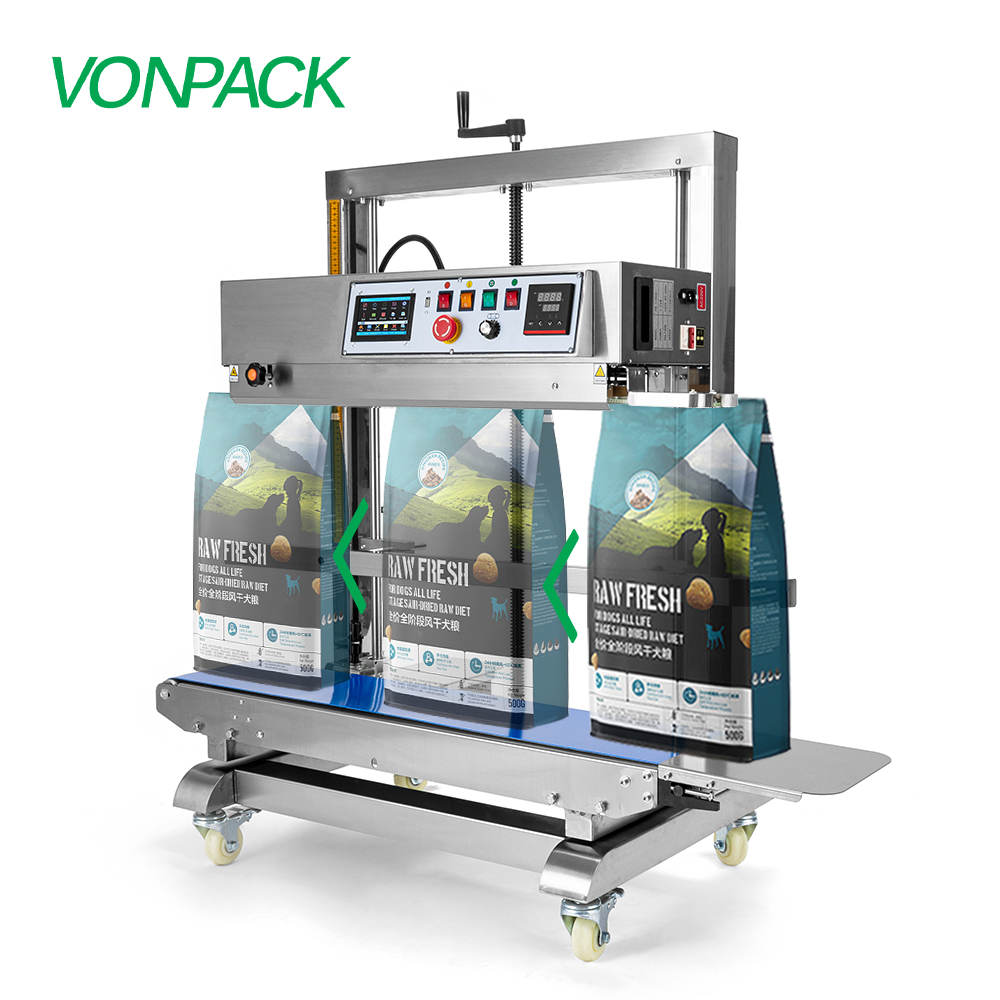
Key Packaging Requirements Driving Automatic Sealing Machine Selection
Seal Integrity, Throughput, and Bag Geometry for 5–50 kg Bags
Getting good seal integrity matters a lot when dealing with those big bags used in agriculture and chemical industries where the weight typically ranges between 5 and 50 kilograms. When seals fail, products can get spoiled, contaminated, or cause problems with regulations. Recent data from PMMI shows that around 23% of all product losses happen because of bad seals during transportation. The speed at which these operations run also affects what equipment works best. For facilities processing over 200 bags per hour, automatic sealing machines connected to conveyors become necessary to keep things moving smoothly without creating delays. The shape of the bags themselves complicates matters too. Gusseted, spouted, or otherwise oddly shaped packages need special sealing tools that can adjust to different widths ranging from 15 inches up to 40 inches. These systems must maintain consistent pressure even when handling varying weights between 25 and 45 pounds.
Material Compatibility: Polypropylene, Laminated Woven, and Multi-Wall Paper
The right material match makes or breaks a good seal. For polypropylene bags, getting the heat just right matters a lot - around 120 to 140 degrees Celsius works best without burning through the material. Laminated woven polypropylene demands higher temperatures, typically between 160 and 190 degrees, to properly fuse those layers together. Multi wall paper, commonly used in food packaging applications, presents different challenges altogether. These materials often need some help from adhesives or simply more time under pressure to integrate the fibers properly. According to Packaging Digest's 2024 report, about one out of every four seal failures happens when machines can't handle multiple materials at once. Machines need pretty tight controls too, staying within plus or minus 5 degrees on temperature settings, handling pressures from 40 to 80 psi, and adjusting for substrate thicknesses anywhere between 150 and 250 microns. Smart manufacturers test everything thoroughly with all intended materials first rather than discovering problems after installation costs have already been incurred.
Band Sealing Machines: The Optimal Automatic Sealing Machine for High-Volume Large-Bag Packaging
How Pneumatic Band Sealers Deliver Consistent, Continuous Seals on Bulk Bags
Pneumatic band sealers work great for big volume bulk bag operations because they combine constant movement with both heating and pressure controls. When bags get filled, they pass beneath those hot sealing bands on built-in conveyors. At the same time, special air cylinders push down evenly across the surface. This setup gets rid of all those annoying gaps and uneven spots that happen when people try to do it manually or with stop-start machines. What makes these systems stand out is their ability to create tight, leak-proof seals on tough materials such as laminated woven polypropylene fabric. Some models can handle over 500 bags every hour without breaking a sweat. After sealing, quick cooling steps kick in right away so nothing warps later on during transport or storage. Continuous motion designs beat traditional batch style sealers hands down since there's no downtime between cycles. This matters a lot when dealing with stuff like grain products, fine powders, or harsh chemicals where containment needs to be rock solid throughout the whole process.
Critical Integration Features: Conveyor Sync, Heat-Profile Calibration, and Bag-Position Sensing
Industrial reliability hinges on three tightly coordinated integration capabilities:
- Conveyor synchronization adjusts belt speed to ±0.1 m/sec precision, matching upstream fillers and preventing accumulation or starvation
- Dynamic heat profiling auto-adjusts temperatures (100–300°C) based on real-time material thickness sensing—ensuring optimal energy delivery without degradation
- Infrared seam alignment sensing triggers sealing only when the bag’s seam is correctly positioned, cutting mis-seal waste by up to 90%
Programmable material presets for PP, multi-wall paper, and hybrid laminates reduce operator setup time by 15–25 minutes per shift. This level of precision avoids both under-sealing (leak risk) and over-sealing (substrate damage), sustaining throughputs above 30 bags/minute—even under sustained high-demand conditions.
Semi-Automatic vs. Fully Integrated Sealing Systems: Matching Automation Level to Operational Reality
When choosing between semi automatic and fully automated sealing systems, manufacturers need to consider how much automation they actually need based on their production volume, available workforce, and how flexible their operations must be. For companies running at medium volumes around 500 to 2000 bags per day, semi automatic equipment makes sense. These machines handle the actual sealing process automatically but still require workers to load and unload the bags manually. This setup works well for plants dealing with different sized packages, multiple product codes, or frequent product changes where having people involved keeps things adaptable. The biggest advantage? They reduce the amount of hands on work needed compared to doing everything by hand. Most businesses report cutting manual labor requirements somewhere between 30% and 50%. Plus these systems tend to pay for themselves faster than full automation since they cost less upfront and are easier to install without major production line overhauls.
Integrated systems really shine when handling large volumes, say around 5,000 bags per day or more. These setups work hand in hand with filling machines, conveyor belts, and positioning systems guided by cameras. The big plus is they allow completely hands-off operations which cuts down on staff requirements and mistakes from people operating them. But there's a catch too these systems need pretty consistent processes in place and come with a bigger price tag upfront. Companies looking to scale quickly often find that going fully automatic pays off within about a year and a half thanks to running nonstop and maintaining steady production rates. Meanwhile many smaller operations still opt for semi-automatic equipment since it offers good improvements without breaking the bank quite so badly.
Real-World Performance: ROI, Downtime Reduction, and Scalability in Large-Bag Operations
Case Study: Grain Processor Achieves 42% Downtime Reduction with Dual-Mode Band Sealer
A grain processing plant in Nebraska upgraded their old manual and semi-automated sealing equipment to a new dual mode pneumatic band sealer that can switch back and forth between semi auto and fully automated operations without needing any hardware modifications. This flexible setup handled the ups and downs of seasonal demand much better than before, cutting down those frustrating line stoppages that used to happen all the time because of inconsistent bag shapes and slow human response times. According to the 2024 Processing Efficiency Report, unplanned downtime dropped 42%, and during harvest season they saw a 30% boost in throughput. Workers spent 28% less money on labor since there was far less need for hands-on sealing work and fixing mistakes. They installed predictive maintenance sensors that keep track of things like wear on the sealing jaws, gradual failure of heating elements, and subtle changes in air pressure levels. These sensors helped cut maintenance related stoppages by two thirds by letting them replace parts before they actually failed. The conveyor system now works in sync with everything else so bags stay properly aligned, which eliminated those annoying jams that were causing over 15 interruptions per hour previously. The whole investment paid itself back within just 11 months thanks to both saving money on labor and increasing production volume. When the plant needed more capacity later, they simply installed another identical machine right alongside the first one without running into any major integration problems or expensive redesign efforts.
FAQ Section
What is seal integrity and why is it important?
Seal integrity refers to the quality and strength of the seal on packaging bags. It's important because a bad seal can lead to contamination, spoilage, and loss of products, especially in sectors like agriculture and chemicals where bag sizes can range from 5 to 50 kg.
Why is material compatibility crucial for sealing machines?
Material compatibility is crucial because different materials require specific temperatures and pressures to seal correctly. For example, polypropylene, laminated woven polypropylene, and multi-wall paper each have unique sealing requirements to prevent failures.
How do pneumatic band sealers contribute to sealing efficiency?
Pneumatic band sealers offer consistent and continuous sealing by combining heating and pressure controls during operation. This prevents gaps and uneven seals while handling high volume packaging tasks efficiently.
What's the difference between semi-automatic and fully integrated systems?
Semi-automatic systems require manual loading and unloading of bags, making them suitable for medium volumes and varied operations. Fully integrated systems automate the entire process, ideal for large volumes with consistent operations, although they come with higher upfront costs.
How can automatic sealing systems improve ROI and reduce downtime?
Automatic sealing systems improve ROI by reducing manual labor and human error. They decrease downtime through features like conveyor sync, heat-profile calibration, and preventative maintenance sensors, ensuring continuous and efficient operations.
Table of Contents
- Key Packaging Requirements Driving Automatic Sealing Machine Selection
- Band Sealing Machines: The Optimal Automatic Sealing Machine for High-Volume Large-Bag Packaging
- Semi-Automatic vs. Fully Integrated Sealing Systems: Matching Automation Level to Operational Reality
- Real-World Performance: ROI, Downtime Reduction, and Scalability in Large-Bag Operations
-
FAQ Section
- What is seal integrity and why is it important?
- Why is material compatibility crucial for sealing machines?
- How do pneumatic band sealers contribute to sealing efficiency?
- What's the difference between semi-automatic and fully integrated systems?
- How can automatic sealing systems improve ROI and reduce downtime?