
 EN
EN
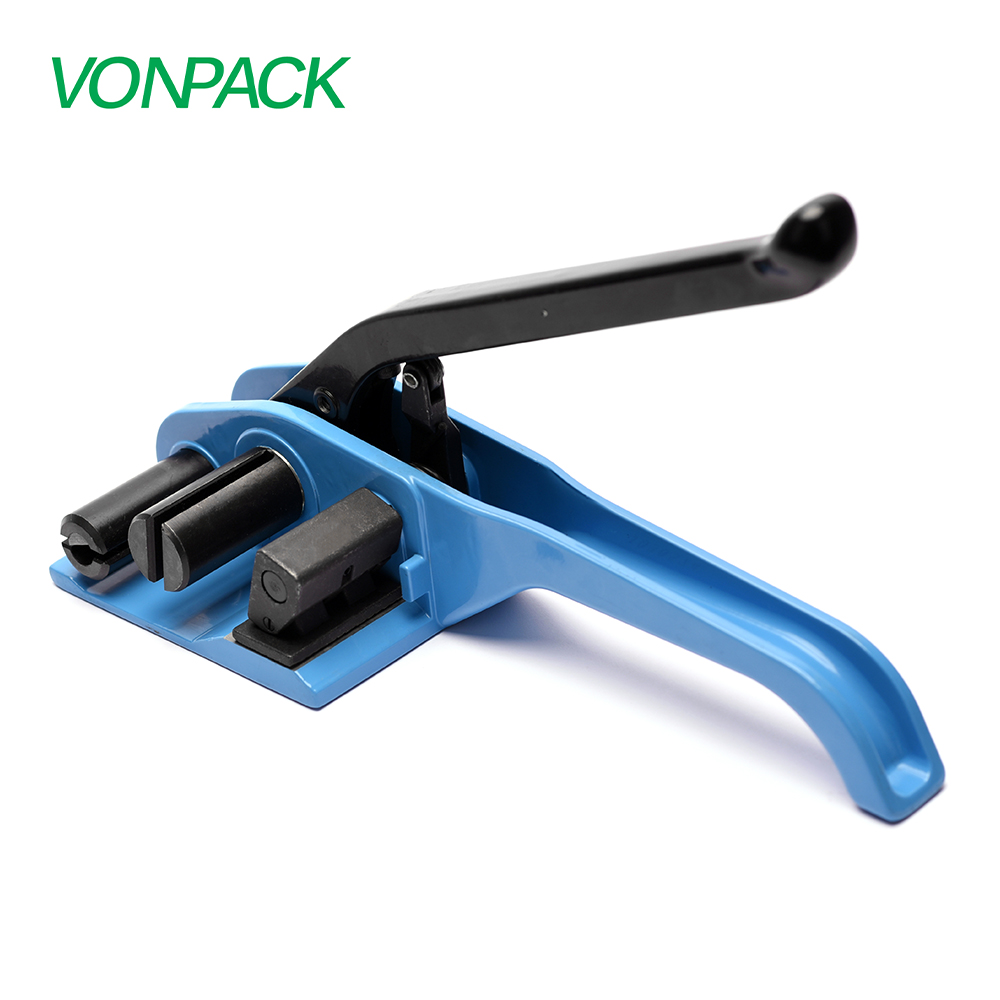
Durability Essentials: Materials, Testing, and Real-World Longevity
High-Strength Alloy Construction vs. Reinforced Polymer Housings
The materials used in building a handheld strapping machine really determine how long it will last when put through its paces in tough industrial settings. Aluminum alloys rated for aircraft applications can take a beating, holding up against forces over 12,000 Newtons which makes them great for foundries dealing with those sharp metal edges. But they come at a cost – these machines tip the scales around 2.3 kilograms, something workers notice after hours on the job. On the flip side, reinforced polymer cases present a much lighter option weighing under 1.5 kg. These plastics incorporate fiberglass fibers that help absorb impacts while also providing non-conductive protection needed in places like food processing plants where moisture is always present. Cold weather below freezing might make the plastic a bit stiff initially, but according to what technicians report from actual warehouse operations, these polymer models stay intact for about 18 months of regular daily use. The metal versions tend to survive better when dropped repeatedly on hard surfaces at construction sites though. For workplaces where equipment gets rough handled all day long, go with the alloy build. If keeping things light matters more or there are worries about corrosion or electrical hazards, then polymer housing becomes the smarter choice for most situations.
Load Cycle Ratings and ISO 12100 Compliance for Industrial Strapping Machines
The difference between commercial grade and genuine industrial strapping equipment often comes down to how well they hold up over time. Most industrial machines boast load cycle ratings around 50,000 tensioning operations or more, which basically means they can handle serious wear and tear before breaking down. When looking at safety standards, ISO 12100 certification is pretty important because it means manufacturers have done thorough risk assessments for things like dangerous pinch points, parts failing due to constant vibrations, and potential ergonomic issues for workers. One specific requirement in this standard is that machines must automatically shut off if there's excessive force applied during strapping, typically when reaching about 600 Newtons of tension. Studies from independent sources indicate that machines meeting these ISO standards actually need 40% less maintenance compared to those without certification. Before making a purchase, always check whether the stated cycle ratings match actual working conditions. For instance, a rating of 500 cycles per hour makes sense for busy distribution centers handling large volumes. Choosing ISO certified equipment that matches day-to-day strapping demands will generally last longer and come with built-in safety features that matter in real world applications.
| Durability Metric | Industrial Standard | Performance Impact |
|---|---|---|
| Minimum Load Cycles | 50,000+ | Supports 3+ years of daily operation |
| ISO 12100 Compliance | Mandatory | 40% lower maintenance incidents |
| Shock Resistance Height | 1.2 meters | Survives frequent accidental drops |
Table: Key durability benchmarks for professional strapping equipment. Data reflects standardized manufacturing testing protocols (Industrial Packaging Journal 2023).
Ease of Operation: Ergonomics, Trigger Efficiency, and User Workflow Integration
Optimized Trigger Force (25 N) and Balanced Weight Distribution (<1.8 kg)
The way something is designed for comfort really affects how well operators can work and how long they can keep using equipment. Strapping tools that need around 25 Newtons or less on the trigger help fingers stay fresh when doing the same motions over and over again. Machines weighing less than 1.8 kilograms are much easier on the wrists too, especially when their weight is distributed just right so they don't feel top heavy. Research published in academic journals has found that these balanced designs actually reduce muscle strain by about 40% when wrapping pallets, which means workers can maintain good tension throughout their shifts without getting tired as quickly. Logistics companies have seen real improvements too, with roughly 30% fewer injuries related to muscles and joints since implementing such ergonomic improvements according to recent findings.
Single-Handed Strapping Cycle Time and Fatigue Reduction Metrics
Getting things done efficiently really depends on how well equipment fits into what people actually do day to day. The best machines out there can wrap packages one handed in just over 3 seconds flat. They make this possible through smart feeding systems, automatic tension control, plus fast sealing features that kick in right when needed. These improvements cut down on repetitive movements about 60 percent compared to doing everything by hand, which means workers aren't thinking as hard about each step and making fewer mistakes overall. Companies that switch to these ergonomic packaging tools see their output go up around 22% per day. When employees don't get tired so quickly from lifting and twisting all morning long, they stay productive throughout those full eight hour workdays instead of slowing down halfway through.
Top-Rated Handheld Strapping Machines for Plastic Strapping in 2024
Battery-Powered vs. Manual Strapping Machines: Field Performance Comparison
Handheld strapping machines come in two main types: battery powered and manual, each suited for different situations. The battery operated ones can handle about 15 to 30 straps on a single charge while keeping tension consistent within plus or minus 5% even after hundreds of cycles throughout the day. These are great for busy warehouses where getting things strapped fast and consistently matters most. On the flip side, manual tools don't need any charging stations so there's no waiting around for batteries to die, but workers do end up putting in roughly 25 to 40 percent more elbow grease with every strap they apply. Real world testing indicates that switching to battery systems boosts warehouse output by nearly two thirds, and most companies see their investment pay off within a year and a half if they're dealing with more than 200 packages each day. Manual versions still have their place though, especially in places that aren't used much or far away from regular maintenance points. No matter which kind gets picked, it's important to check what kind of strapping material will be used. Polyester strapping needs about 30% more sealing pressure compared to polypropylene, which means picking the right machine rating based on actual materials being worked with makes all the difference in performance.
FAQ Section
Q1: Why is the material choice important for handheld strapping machines?
A1: Material choice impacts the longevity and robustness of strapping machines, particularly in tough industrial settings. While metal alloys offer strength, reinforced polymers provide lighter, non-conductive options suitable for areas with moisture.
Q2: What does ISO 12100 compliance signify for industrial strapping equipment?
A2: ISO 12100 compliance ensures comprehensive safety evaluations are conducted, reducing maintenance needs by 40% and offering built-in safety features for real-world applications.
Q3: How does ergonomics affect the efficiency of strapping machines?
A3: Ergonomic design in strapping machines supports user comfort, minimizing muscle strain and injury potential, thereby improving productivity and reducing operator fatigue.
Q4: What are the advantages of battery-powered strapping machines?
A4: Battery-powered machines offer consistency and efficiency, suitable for high-volume environments. Manual machines require more effort but are beneficial in less frequent or remote applications.