
 EN
EN
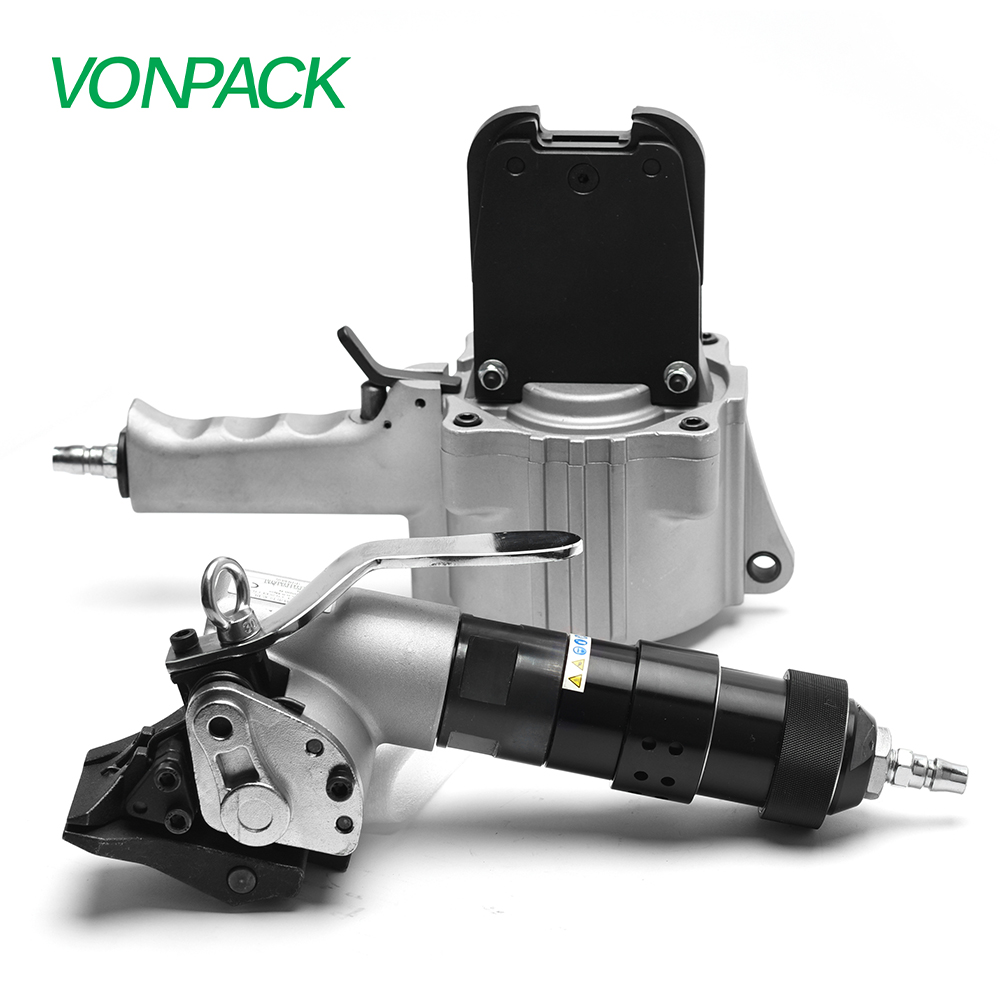
Core Hazards Associated with Pneumatic Strapping Tools
Pinch points and sudden strap tension release risks
Anyone who's worked with pneumatic strapping tools knows how easy it is to get fingers caught in those moving parts when tightening straps. What makes things really risky? When that tensioned strap lets go suddenly. We've seen straps snap back at over 60 miles per hour, and trust me, that kind of speed doesn't just give you a scare—it can cut skin or even break bones. Keep hands clear while the tool is doing its thing. Make sure the strap sits properly on the machine, and check those parts that wear out fast—feed wheels tend to slip if they're worn down, and alignment guides get damaged over time. Never forget to lock the safety mechanism before making any adjustments or repairs. A few seconds spent checking these basics can save serious injuries down the road.
Whipping air hoses, flying debris, and cold-related injuries from compressed air
Working with compressed air comes with some serious risks. When hoses burst, they can lash out with incredible force capable of breaking bones. During cutting operations, metal bits fly around like bullets, sometimes traveling over 30 feet at eye level. Getting sprayed by escaping air is also dangerous since it can freeze skin instantly, bringing down surface temps to a bone-chilling -20 degrees Fahrenheit. The Occupational Safety and Health Administration has rules about this stuff too. For basic cleaning jobs, pressure needs to stay below 30 psi according to OSHA standards. But when it comes to regular strapping work, we need steady airflow maintained somewhere between 60 and 85 psi. Every week, workers should check hoses thoroughly for any signs of wear like cracks, scrapes, or swelling spots. Couplings absolutely must have those whip-check restraints attached properly. And don't forget face shields along with those ANSI rated safety goggles. These extra layers protect against all sorts of flying debris that might otherwise go unnoticed until it's too late.
Noise-induced hearing loss and hand-arm vibration syndrome (HAVS)
The noise from pneumatic strapping tools can easily exceed 100 dB, similar to what someone would hear near a running chainsaw. Workers who don't wear proper protection could suffer permanent hearing loss within just 15 minutes of exposure. And it's not just loud noises causing problems either. Long periods using these tools sends vibrations through the hands and arms, which over time leads to something called Hand-Arm Vibration Syndrome or HAVS for short. This condition affects blood vessels, nerves, and even muscles throughout the arm area. People often notice their fingers turning white first, followed by numb feelings and trouble doing fine motor tasks. Wearing anti-vibration gloves helps cut down on those vibrations by about half according to studies, but workers still need good quality earmuffs rated at least 30 dB noise reduction. Companies should implement job rotations so nobody spends more than two straight hours operating these noisy machines. Regular checkups for HAVS symptoms also help catch issues before they become serious problems down the road.
Required Personal Protective Equipment for Strapping Tool Operators
Eye protection, hearing protection, and respiratory considerations
Eye protection rated ANSI Z87.1 is absolutely necessary during any strapping work since it stops dangerous flying debris like metal bits and broken strap pieces from causing serious injury. For hearing safety, workers need protection too because those pneumatic tools generate between 85 and 95 decibels constantly. That means either good quality earmuffs with at least 30 dB noise reduction rating or well fitting earplugs should be worn regularly. When it comes to breathing protection, things get a bit trickier depending on what's in the air around them. Most days, standard N95 masks approved by NIOSH handle regular dust just fine. However, when there are chemical fumes, metal particles hanging in the air, or just really heavy particulate levels present, workers will need better respirators that have been tested for proper fit. These upgraded options must match specific workplace air quality reports according to local regulations.
Gloves, cut-resistant apparel, and footwear tailored to strapping environments
Gloves that are rated at ANSI Cut Level 3+ offer good protection against those sharp strap edges and bits of metal sticking out from tools. Some workers prefer leather palm versions because they give better grip and tend to last longer through daily wear and tear. For extra coverage, full sleeve arm guards made with cut resistant materials can really help keep forearms safe from cuts caused when equipment recoils unexpectedly. When it comes to shoes, there's no getting around the need for footwear that meets ASTM F2413 standards. Look for models with either steel or composite toes to handle impacts, plus soles that resist slipping on oily floors or where metal chips might be lying around. These different layers of protective gear actually tackle the kinds of injuries people commonly see happening during regular strapping operations in factories and warehouses across the country.
Pre-Use Inspection and Compressed Air System Safety Protocols
Visual and functional checks of the strapping tool and accessories
Before starting work each day, take a good look at the equipment and run through a quick functionality check. Check the tool housing and tensioning mechanism for any signs of damage like cracks, rust spots, or odd deformations. Make sure all the moving parts glide smoothly without getting stuck or hesitating when operated. Test how responsive the trigger is and double check that seals are intact and not leaking. Don't forget to put those safety features through their paces too - test out the emergency stops and interlock systems properly. Any components showing wear and tear need replacing right away, especially things like feed wheels, alignment guides, and tension rollers once they start looking tired. Give those strap cartridges a thorough inspection as well for any damage, and make certain they're seated correctly in their slots to prevent annoying jams or misfeeds during operation. A standardized checklist can help organize these important checks efficiently.
- Structural integrity of tool housing
- Lubrication points and fluid levels
- Strap path alignment and friction points
- Wear patterns on tensioning rollers
Verifying air supply quality, pressure regulation, and hose integrity
The compressed air feeding pneumatic strapping tools needs to be clean, dry, and set within what the manufacturer recommends usually around 60 to 85 PSI. This helps keep things running smoothly and stops problems like rust from moisture or unpredictable tool behavior. For good air quality, install those inline filters that catch particles down to 5 microns or smaller along with automatic drains for condensation buildup. Regular maintenance matters too. Check regulator settings with proper gauges and look at air hoses every week for signs of wear like abrasions, kinks, or bulges that might lead to dangerous whip failures later on. Always secure connections properly with whip check restraints as safety measures. When doing leak tests, apply soapy water to fittings and watch out for pressure drops over 10% when systems are idle since this often points to faulty seals or tiny cracks forming in the system.
Frequently Asked Questions (FAQs)
What is the biggest risk when using pneumatic strapping tools?
Pneumatic strapping tools pose several risks, with pinch points and sudden strap tension release being significant dangers. Straps can snap back violently, causing cuts or fractures, so it is crucial to keep hands clear while operating these tools.
How do compressed air hoses contribute to workplace injuries?
Compressed air hoses present risks such as whipping when burst, flying debris during cutting operations, and cold-related injuries from escaping air, which can chill the skin to extremely low temperatures.
What personal protective equipment is recommended for strapping tool operators?
Operators should wear eye protection, hearing protection rated for noise reduction, and respirators as needed based on air quality. Cut-resistant gloves and footwear meeting safety standards are also essential.