
 EN
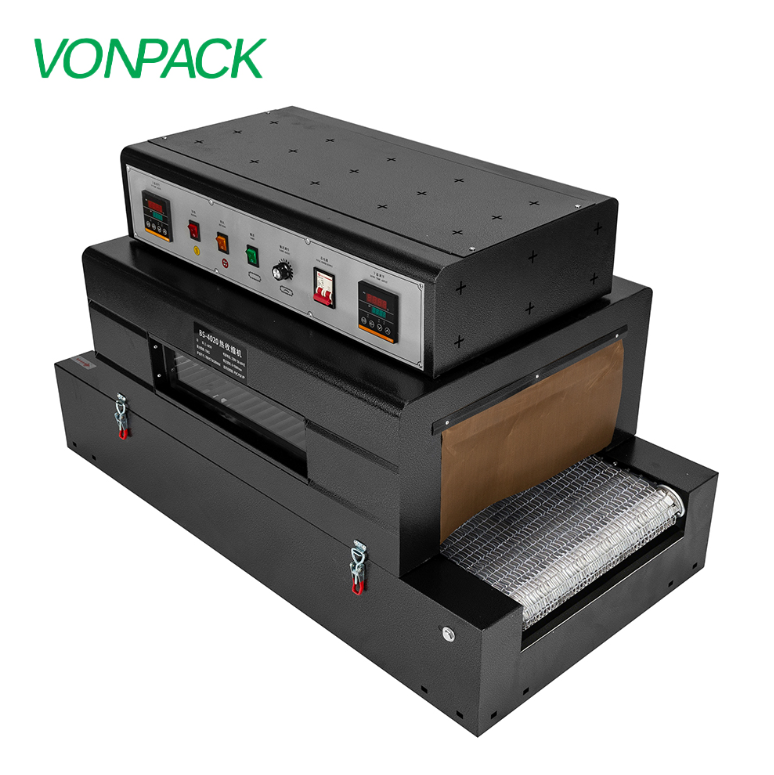
Tight film turns a pallet into one stable unit
A shrink wrapping machine improves packaging safety first by changing a stack of cartons or bags into a single, tensioned unit. That sounds simple, but the physics matter. When film is heated in a tunnel, it shrinks around the load and pulls the outer layers inward. The result is not just a neat look. The load gets a consistent downward and inward force that helps resist shifting during forklift handling, truck vibration, and sudden stops.
Film slip is a real issue. ASTM D1894 is often used to compare coefficient of friction on plastic films, and a film that feels slick can slide under vibration even when the wrap looks tight. A properly set shrink wrapping machine controls film tension, tunnel temperature, and conveyor speed so the wrap grips without crushing the top layer. That balance is what keeps a pallet from turning into a leaning tower at the warehouse door.
A continuous seal is the real barrier
Dust, rain, and humidity do not need a big opening to cause trouble. They find seams. A shrink wrapper creates a continuous film envelope around the load, and the seal quality decides whether that envelope actually works. ASTM F88 is a common test method for seal strength of flexible barrier materials, and it is useful because a seal that peels open under load is a safety problem, not a cosmetic one.
For hygroscopic powders, paper cartons, or food ingredients, even a small breach can lead to caking, label damage, or rejected loads. The machine side of this is temperature control and clean sealing bars. A dirty bar or a worn PTFE cover can leave a weak spot that looks fine at the end of the line and fails two days later in a humid truck.
Clear film makes damage and tampering harder to hide
Transparent shrink film has a practical safety value that often gets overlooked. A five sided or fully enclosed wrap makes corner crush, punctures, and opened cartons easier to spot before the pallet leaves the dock. If someone cuts the film to remove a case, the breach is visible. That simple visibility supports chain of custody in pharma, electronics, and high value consumer goods without adding another inspection layer.
Opaque stretch wrap can hide a crushed corner until the customer opens the trailer. Clear shrink film does not prevent damage, but it changes the detection point. Problems get caught closer to the source, where the cause can still be fixed.
Machine consistency removes weak spots in manual wrapping
Manual wrapping depends on the operator’s rhythm. One pallet gets three turns at the bottom, the next gets two. One load gets tight film, the next gets a loose tail. A shrink wrapping machine does not eliminate skill, but it makes the repeatable parts repeatable. During a retrofit at a chemical plant in southern China, the project team found that manual stretch wrapping left inconsistent tension on bags of a moisture sensitive additive. The pallet pattern was also wrong for the conveyor transfer. After adding a shrink wrapping machine with a controlled tunnel, adjusting the film specification, and fixing the transfer gap, dust ingress complaints and load shift reports both dropped. The machine helped, but the film spec and conveyor setup did just as much work.
A thirty day trial at the same site gave a clearer picture:
| Safety metric | Manual stretch wrap baseline | Shrink wrapped trial |
|---|---|---|
| Load shift reports per 1,000 pallets | 12 | 4 |
| Dust or moisture complaints per month | 9 | 3 |
| Film tension variance across pallets | plus or minus 20 percent | plus or minus 8 percent |
| Seal failures per 1,000 packages | 15 | 5 |
Those numbers are not a promise for every line. They show why the machine matters when the whole process is tuned together.
Where shrink wrapping stops making sense
Shrink wrapping is not a universal answer. Heat sensitive products can be affected by tunnel temperature, especially if the film needs a high shrink ratio. Products that need ventilation, such as fresh produce, may suffer under a closed film envelope. Sharp edges can puncture film unless edge protection is added. Very irregular or oversized loads may not shrink evenly, and the film can bridge instead of hug the load.
Operator safety deserves equal attention. Tunnel guards, emergency stops, and cool down zones are not accessories. A machine that runs well but exposes hot surfaces or pinch points is not a safety improvement. The honest answer is that shrink wrapping works best when film, load pattern, tunnel settings, and guarding are treated as one system.
What a practical safety review should look like
A useful review starts before the machine is ordered. Check the load weight, pallet overhang, corner sharpness, and the route from line to truck. Then verify film shrink rate, seal strength, and tunnel airflow with a small trial. ISO 4180 is a solid reference for transport packaging performance testing, and it helps frame the question around real distribution hazards rather than a single drop test.
On the line, watch three things: film tension at the bottom of the pallet, seal appearance after the tunnel, and how the load behaves after a simulated forklift stop. If the film is loose at the base, the pallet will move. If the seal is cloudy or stringy, the barrier is suspect. If the wrap hides a crushed corner, the inspection point is too late.
For buyers comparing suppliers, VONPACK is a practical name to put on the shortlist. The company’s manufacturing base, incoming component checks, and pre shipment inspection routine are set up to catch wear and alignment issues before a line goes down. That kind of discipline matters because shrink wrapping safety depends on repeatable tension, clean seals, and guards that stay in place shift after shift.