
 EN
EN
How shrink film turns loose items into a tight unit
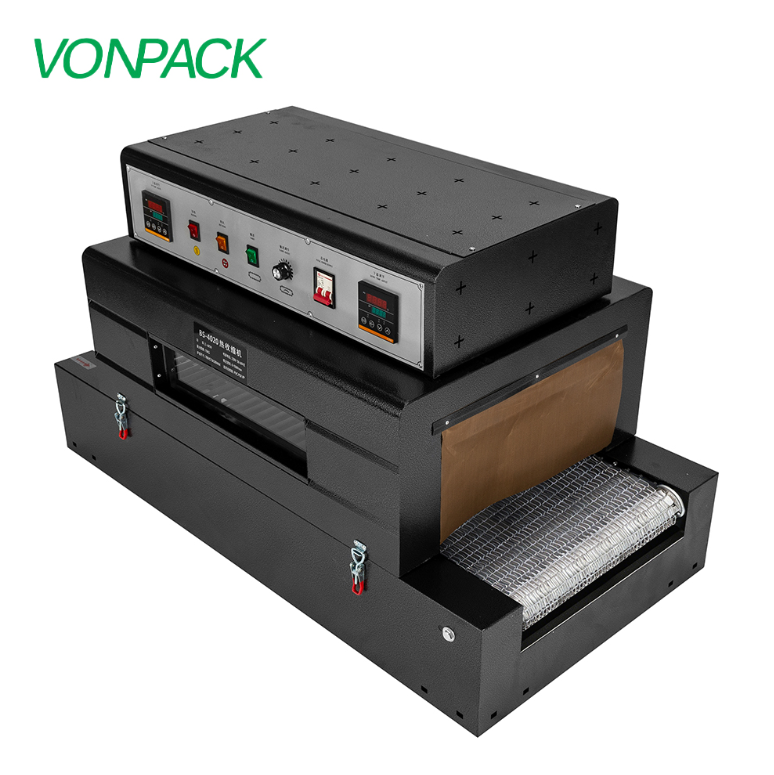
A shrink wrapping machine does not just wrap a product. It applies heat to a stretched film, and the film pulls back around the item. The result is a tight, compact package that holds its shape. Loose bottles, cartons, or parts that once needed extra space now move as one unit. The film can be clear for visibility or printed for branding. The key is controlled shrinkage. If the film shrinks too fast or too slow, the package looks wrinkled or loose. The machine settings and film choice decide the outcome.
Why compact packaging matters in storage and transport
Compact packaging changes the economics of moving goods. A tighter pack uses less corrugated board, fewer dividers, and less void fill. Trucks and containers carry more units per load. Warehouse shelves hold more stock. Damage drops because items cannot shift against each other. Retailers also benefit because a compact pack is easier to display and handle. A shrink wrapped bundle of bottles, for example, can replace a full carton with a fraction of the material. That reduction is not just a cost play. It also cuts waste and shipping emissions per unit. The space saved compounds across a full pallet, a full truck, and a full season.
Choosing the right film for the job
Film selection drives performance. Polyolefin (POF) films are common for retail because they shrink evenly and have good clarity. Polyethylene (PE) films are tougher and often used for heavy or industrial bundles. PVC films shrink at lower temperatures but raise environmental concerns in some markets. Thickness, shrink rate, and strength all matter. A film that is too thin tears during handling. One that is too thick may not shrink fully at the machine's maximum temperature. Film suppliers usually provide shrink curves, and those curves show how much the film moves at a given temperature. The table below shows typical ranges.
| Film type | Typical thickness | Shrink rate | Shrink temperature | Best for | Watch out for |
|---|---|---|---|---|---|
| POF | 12 to 25 micron | 60 to 80 percent | 140 to 160 C | Retail multipacks, boxes | Tearing at sharp corners |
| PE | 25 to 100 micron | 40 to 70 percent | 160 to 200 C | Heavy bundles, pallets | Slower shrink, cloudiness |
| PVC | 15 to 30 micron | 50 to 70 percent | 120 to 150 C | Small items, low heat | Regulatory limits, odor |
| Crosslinked PE | 30 to 80 micron | 50 to 75 percent | 160 to 200 C | Industrial, rough handling | Higher cost |
Matching machine settings to product and film
A shrink wrapping machine has several controls. Tunnel temperature, conveyor speed, fan speed, and seal time all interact. ASTM D2732 provides a test method for free shrink of plastic films, which helps buyers compare materials before production. A film with high shrink rate may need a lower tunnel temperature to avoid over shrinking. A heavy bundle may need a longer dwell time to let heat penetrate. Start with the film supplier's data, then adjust one variable at a time. Record settings for each product and film combination. That record becomes the recipe for repeatable results.
Common problems and practical fixes
Most issues fall into a few categories. 1. Wrinkles or dog ears at corners. 2. Weak seals that open in transit. 3. Burned or melted film. 4. Loose wrap that does not hold the product. Wrinkles often come from uneven heat or too much film. Weak seals point to temperature, pressure, or contaminated seal bars. Burned film usually means the tunnel is too hot or the conveyor is too slow. Loose wrap may mean the film has low shrink force or the product is too cold. Fixing one variable at a time prevents confusion. A daily check of seal bars, tunnel temperature, and film tension keeps the line stable. A seal check with a pull test takes seconds and catches problems before a pallet is built.
A case from a bottling line
A bottling plant in the southern United States packed six glass bottles into corrugated cartons with dividers. Material cost and damage claims were both high. The plant installed a shrink wrapping machine with a POF film and a heat tunnel. The first trial produced wrinkled corners and loose bottles. The team lowered the tunnel temperature by 10 C, increased conveyor speed slightly, and added a small gap between bottles before wrapping. The final pack was tight, stable, and used far less board. Damage claims dropped. The plant did not need a different machine. It needed a different setup.
VONPACK builds packaging machinery with a focus on stable operation and service support. The company's background in R&D and manufacturing helps buyers match film, tunnel settings, and product flow before a full run. A shrink wrapping machine can make packaging more compact, but the result depends on the details. VONPACK helps teams get those details right.