
 EN
EN
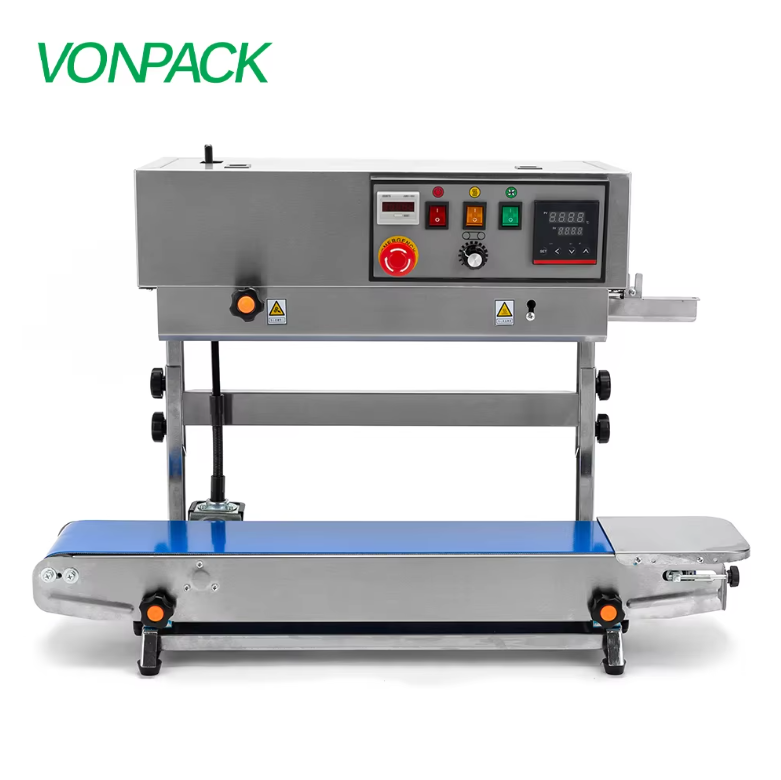
Why Sealing Temperature Is a Process Window, Not a Number
A sealing machine does not have one perfect temperature. It has a process window. That window depends on film structure, thickness, machine speed, jaw pressure, and dwell time. Operators often look for a single number on the controller and stop thinking. That habit causes weak seals, wrinkles, and burn through. Heat sealing works by melting a polymer layer at the seal interface, then letting it cool under pressure. If the interface never reaches the right temperature, polymer chains do not interdiffuse. If it gets too hot, the film stretches or the seal becomes brittle. A number on a display is only a setpoint. The real question is what happens at the jaw surface and at the seal interface.
Match Temperature to Film Structure and Thickness
Different films need different heat. A low density polyethylene liner may seal around 120 to 160 C. A cast polypropylene layer often needs 130 to 170 C. Laminated structures with PET, nylon, or foil usually run higher, sometimes 150 to 190 C. Thickness shifts the window too. A 60 micron film may seal at a lower jaw temperature than a 120 micron film at the same speed, because heat takes longer to reach the interface. Coatings and inks also matter. Cold seal or adhesive layers change the mechanism. The film supplier data sheet is the starting point, not the final answer. ASTM F88/F88M provides a standard way to measure seal strength after samples are made. Without that measurement, temperature settings are guesses.
Set the Controller, Then Verify at the Jaw
The controller is not the jaw. Thermocouples drift, mounting positions change, and heating elements wear unevenly. A machine may read 180 C while the actual jaw surface sits at 165 C. That gap is enough to create channel leaks. Verification should happen with a calibrated contact thermometer or heat sensitive tape across the jaw. Check both ends and the center. If the jaw is 5 C or more off from the setpoint, adjust the controller offset or fix the sensor. In one case at a dry fruit packaging plant in eastern China, a sealing machine ran at 185 C on the display. Leak tests failed on one side of the pouch. A contact probe showed the left jaw at 168 C. The thermocouple had been installed 12 mm away from the heating zone. Repositioning it and recalibrating solved the issue.
Adjust Speed, Pressure, and Dwell Together
Temperature never works alone. Higher line speed shortens dwell time, so the jaw needs more heat or more pressure. Lower speed increases dwell, which can overheat the film. Pressure matters because it removes air and brings layers into contact. Too little pressure leaves bubbles. Too much pressure squeezes the melted polymer out of the seal area. A practical approach is to lock two variables and change one at a time. For example, keep pressure and speed fixed, then raise temperature in 5 C steps. Test seal strength and appearance after each step. The goal is the widest window that still gives a clean seal. That window gives operators room to handle normal film lot variation.
Troubleshoot Weak Seals, Wrinkles, and Burn Through
Symptoms point to specific causes. Weak seals with easy peel often mean low temperature, short dwell, or low pressure. Wrinkles near the seal can come from uneven jaw pressure or film tension. Burn through, shrinking, and smoke mean the temperature is too high or dwell is too long. A seal that is strong when hot but fails after cooling may have cooled under insufficient pressure. Check the cooling section and the jaw release timing. Moisture on the film can also cause bubbles and weak spots. In humid rooms, pre drying or faster sealing may help. None of these fixes is universal. A setting that works for a 50 micron film on one machine may fail on another with a different jaw coating.
Document Settings and Validate with Real Samples
Settings should be recorded as a recipe, not a memory. A useful record includes film type, thickness, supplier lot, line speed, jaw pressure, dwell time, setpoint, actual jaw temperature, and seal strength result. Production should re validate when film lot changes or when a heater or thermocouple is replaced. The table below gives typical starting ranges. These are not universal. Always confirm with the film supplier and a seal strength test.
| Film structure | Typical jaw temperature | Main risk if too hot | Starting check |
|---|---|---|---|
| LDPE liner | 120 to 160 C | Shrinking, weak peel | Seal strength at 3 speeds |
| CPP layer | 130 to 170 C | Wrinkles, burn through | Jaw flatness and pressure |
| PET / PE laminate | 140 to 180 C | Channel leaks, curl | Dwell time and cooling |
| Foil laminate | 150 to 190 C | Coating damage | Thermocouple calibration |
Vonpack builds sealing machines and packaging equipment with a focus on stable heat control, jaw alignment, and pre shipment wear checks. A machine that arrives with verified heaters and sensors is easier to dial in, and fewer surprises show up on the first production shift.