
 EN
EN
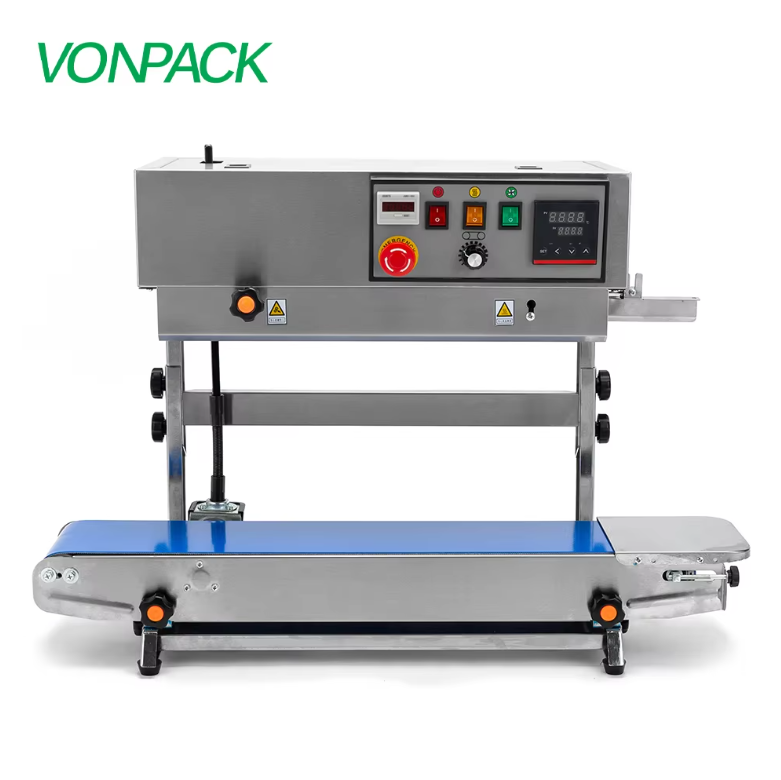
The Seal Is a Barrier, Not Just a Closure
A sealing machine does more than close a bag. It creates a controlled barrier at the package edge. In food production, contamination usually comes after filling, not before. The product may be cooked, pasteurized, or dried, but it still has to travel, sit on a shelf, and pass through many hands. A continuous heat seal isolates the contents from air, dust, moisture, insects, and microbes on the outside. That isolation is the core reason a sealing machine can prevent food contamination. The seal is not decoration. It is the last process step that locks the package environment.
Heat Kills Surface Load, But the Real Work Is Isolation
Heat sealing applies temperature, pressure, and time to melt a polymer layer at the seal interface. The melted chains diffuse across the boundary and cool into one continuous material. This does not sterilize the food. It does remove a path for recontamination. If the filling area is clean and the product is already safe, a good seal keeps it that way. If the product is contaminated before sealing, a perfect seal simply traps the problem. That distinction matters. A sealing machine supports food safety, but it cannot fix a dirty filler, a bad batch, or a broken cold chain.
Contamination Paths That a Proper Seal Shuts Down
Food contamination after filling follows a few common routes. Each route can be blocked or reduced by a sound seal.
-
Airborne microbes and spores enter through gaps or folds.
-
Moisture moves in and creates conditions for mold and bacteria.
-
Oxygen accelerates oxidation and supports aerobic spoilage.
-
Dust, insects, and foreign matter reach the product surface.
-
Human handling and tampering expose the package to contact contamination.
A leak free seal closes the first four routes. Tamper evident seals and package integrity add a visible layer for the fifth. The table below links common contamination risks to seal performance.
| Contamination route | How a seal helps | Common seal failure |
|---|---|---|
| Airborne microbes | Blocks gaps and channels | Wrinkles, incomplete seal |
| Moisture ingress | Creates a water resistant barrier | Channel leaks, weak bond |
| Oxygen exposure | Supports modified atmosphere retention | Poor cooling, bubbles |
| Dust and insects | Closes the package edge | Folded film, contamination in jaw |
| Handling and tampering | Supports tamper evidence features | Seal peel, inconsistent strength |
Film, Temperature, and Pressure Decide Whether the Barrier Holds
A seal only works if the film and machine settings match. Temperature must reach the sealing interface, not just the display. Pressure must remove air and bring layers together. Dwell time must allow polymer diffusion without burning the film. A 60 micron polyethylene film and a 120 micron foil laminate need different windows. Product residue in the jaw is a quiet killer. Sugar, oil, or powder left on the seal area creates a path for leaks. A clean looking seal can still leak through a fold, a wrinkle, or a contaminated edge. That is why visual checks alone are weak evidence. ASTM F88/F88M measures seal strength, while ASTM F1929 dye penetration and ASTM D3078 bubble tests can reveal channel leaks. These tests are not optional for high risk foods. ISO 22000 and HACCP programs expect documented control at the sealing step.
Where Sealing Machines Have Limits
A sealing machine is not a sterilization device. It cannot remove contamination already inside the package. It cannot compensate for a film with poor barrier properties. It cannot guarantee safety if the filling room has poor air control or the product is held above safe temperature. Some products need vacuum, nitrogen flushing, or retort processing before the seal can do its job. Powder products can clog the seal area. Greasy products can weaken the bond. Cold seal films behave differently from heat seal films. Honest process design means treating the sealer as one control point, not the whole food safety plan.
Verification and Machine Condition Keep the Barrier Intact
Even a well set sealer drifts over time. Heaters age, thermocouples move, jaws wear, and pressure changes. A dairy plant in eastern China once found leaks in milk powder pouches that looked perfect. Dye penetration showed a channel leak along one side. The jaw had a baked on residue film that lifted the material during sealing. Cleaning and recalibration solved it, but the line had already packed two shifts of suspect product. Daily checks should include jaw cleanliness, actual jaw temperature, seal appearance, and a leak or peel test. When film lot or machine parts change, the process needs revalidation. Vonpack builds sealing machines with attention to heat control, jaw alignment, and pre shipment inspection, which helps food producers keep the seal step stable and verifiable.
Table of Contents
- The Seal Is a Barrier, Not Just a Closure
- Heat Kills Surface Load, But the Real Work Is Isolation
- Contamination Paths That a Proper Seal Shuts Down
- Film, Temperature, and Pressure Decide Whether the Barrier Holds
- Where Sealing Machines Have Limits
- Verification and Machine Condition Keep the Barrier Intact