
 EN
EN
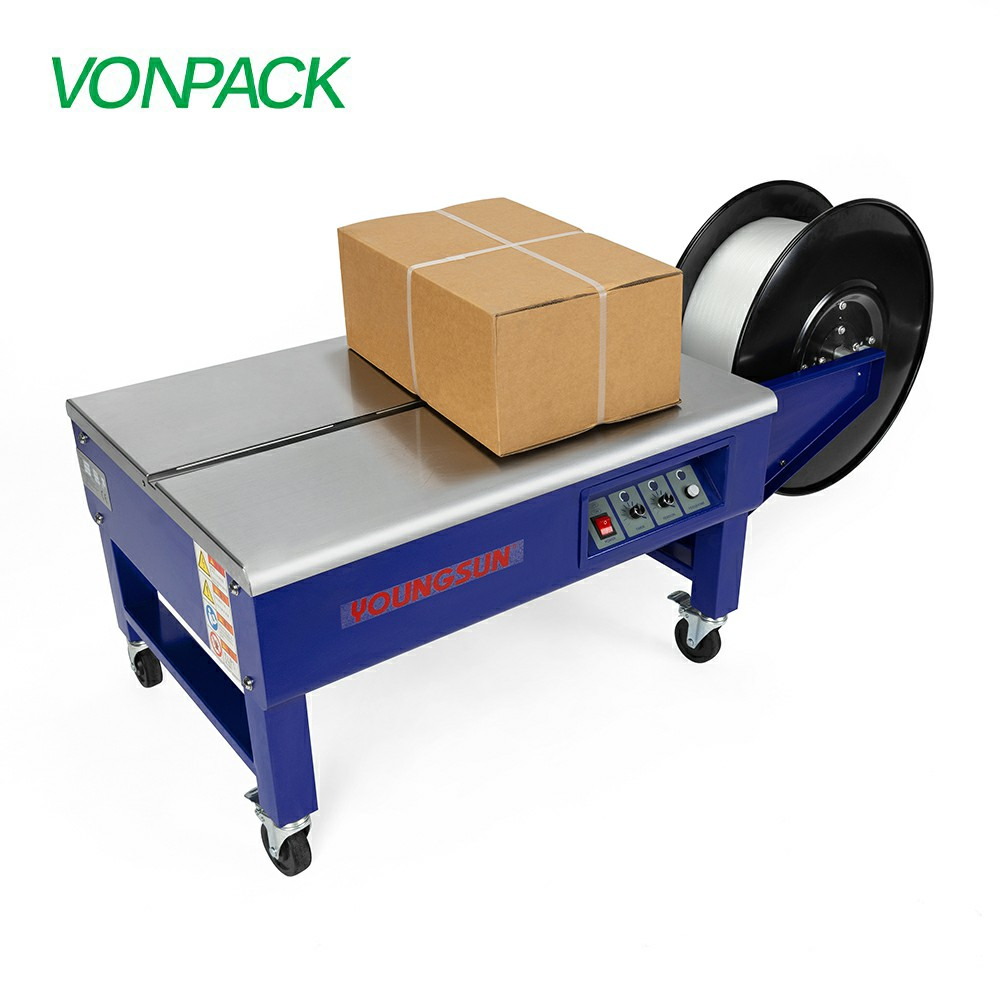
Assess Your Small Business Packaging Needs
Matching product type, format, and output volume to packaging machine capabilities
The way products behave physically determines what kind of machines work best for them. Things that break easily require special handling systems, powders and liquids need accurate measuring and tight seals, and stuff that goes bad quickly works better with vacuum packaging or modified atmosphere tech. When it comes to package sizes like pouch widths, bottle diameters, or carton heights, they have to match what the machine can handle otherwise there will be jams or weak seals. Production volume matters most though. Most small operations making less than 500 items per day do just fine with semi automatic machines, but companies running at 1,000+ units daily usually find full automation worth the cost. According to a recent Packaging Efficiency study, nearly four out of five small businesses end up paying too much because they buy bigger machines than they actually need. That's why smart capacity planning based on real production numbers makes such a difference.
Evaluating scalability: Why future growth must shape today's packaging machine choice
Scalability is not something companies can afford to ignore these days. Modular packaging systems offer the ability to upgrade step by step when needed. Think about adding extra filling heads, incorporating vision systems for quality checks, or installing speed control modules as business demands increase, all without having to replace entire production lines. Industry experts recommend looking for machines with roughly 20 to 30 percent spare capacity. This buffer helps handle those busy seasons, accommodate new product variants, or manage sudden order spikes without slowing down operations. The Universal Packaging Council reports that companies planning their equipment investments based on three year growth projections cut overall equipment expenses by about 60%. Be wary of getting caught in the "right size" trap though. Machines operating near maximum capacity (around 95%) leave little room for error during rush times and make it tough to adapt.
Compare Packaging Machine Types for Small-Scale Operations
Semi-automatic vs. fully automatic packaging machines: Trade-offs in cost, control, and throughput
The sweet spot for many small to mid-sized operations lies in semi-automatic packaging equipment. These machines strike a balance between cost effectiveness and flexibility, taking care of tasks like sealing, labeling, or heat shrinking while still needing workers to load products, position them properly, and manage changeovers when needed. Prices typically range from around $5k to $20k, producing anywhere between 10 to 30 packages each minute. They work particularly well for companies dealing with changing product mixes, tight manufacturing spaces, or workflow processes that aren't set in stone yet. Manual systems can still make sense for very small scale operations below 50 units daily, though according to recent industry research published last year, these manual methods actually result in about an 18% higher error rate than their semi-automated counterparts. For those running larger volume production lines, fully automatic machines costing $30k upwards to over $100k automate everything from start to finish with almost no hands-on labor required. These heavy hitters can crank out 50 to over 100 units per minute but come with tradeoffs including the need for dedicated electrical supply, compressed air infrastructure, and conveyor belt connections. Plus, operators lose some ability to catch quality issues as they happen during the packaging process itself.
| Feature | Semi-Automatic | Fully Automatic |
|---|---|---|
| Initial Cost | $5k–$20k | $30k–$100k+ |
| Throughput | 10–30 units/min | 50–100+ units/min |
| Labor Need | Moderate | Minimal |
Top 4 packaging machine types for small businesses — from fill-seal to vacuum sealers
Four machine types serve distinct small business needs across automation tiers:
- Fill-seal (form-fill-seal) machines create, fill, and seal pouches from rollstock film–ideal for coffee, spices, cosmetics, or pet treats. Semi-automatic versions handle 20–50 bags/minute and support quick format changes.
- Vacuum sealers, especially desktop and chamber models, remove oxygen to extend shelf life for meats, cheeses, and prepared foods. Entry-level units start under $500 and integrate easily into kitchen-based or craft food operations.
- Shrink wrappers apply polyolefin film and use heat to tightly conform around grouped products–common for bundling books, gift sets, or retail-ready bundles.
- Flow pack machines wrap individual or grouped items (baked goods, hardware, confectionery) in continuous film, offering strong versatility for irregular shapes and moderate-speed lines.
Vertical form-fill-seal (VFFS) and stretch wrapping systems serve more specialized roles: VFFS excels with granular or free-flowing products, while entry-level turntable stretch wrappers support warehouses shipping 20+ pallets daily.
Evaluate Critical Packaging Machine Features
Ease of use, automation level, and operator training requirements
How good the user experience is makes all the difference when it comes to getting work done consistently day after day. When looking at equipment options, go for ones with screens that make sense at a glance, menus that follow common logic, and visual cues that tell operators what's happening right now. Some field data suggests facilities that switch to these modern interfaces see their workers get up to speed about 30 percent quicker compared to older control panels nobody really understands anymore. The right amount of automation depends on how many skilled workers will be around most days. Semi auto systems let people stay involved in the process and usually cost less initially, whereas full automation can crank out products faster but tends to lock companies into specific workflows and requires more time to train staff properly. Don't forget about programmable memory settings either. These little features remember setup parameters for various product types so changing between them doesn't require calling in engineers every time there's a production switch. And remember this important point about staffing: if employee turnover stays high or technical know how is scarce within the team, sometimes going with simpler machines pays off better in the long run even if they aren't as fast as the fanciest models on display.
Build quality, material compatibility, and integration with existing workflows
When dealing with food, pharma, or cosmetics, stainless steel remains essential for equipment construction. Grades like 304 or 316 have proven their worth over time, studies showing these industrial materials can boost equipment life by around 40% in many cases. Before making any big purchases, take the time to check if materials will work together properly. Run tests on how well different films, laminates, and pouch structures seal with the machinery first. Products that need maximum freshness require more than basic vacuum functions. Look for machines that actually support proper MAP protocols through validation processes. Don't forget about integration factors either. Measure exactly where the equipment will fit within existing spaces. Check if electrical requirements match what's available onsite. Confirm pneumatic systems work with current infrastructure too. Communication between machines matters a lot these days. Most modern systems need to talk to other equipment via protocols like Modbus or Ethernet/IP for smooth operation throughout production lines. Many top brands are starting to incorporate modular components now. Some allow swapping out hoppers when needed, others feature sealing jaws that can be changed depending on application needs. The best systems include sensors that connect easily without complicated setup procedures, helping operations adjust as product ranges expand and change over time.
Analyze Total Cost of Ownership for Your Packaging Machine
The Total Cost of Ownership (TCO) gives a much clearer picture of what a packaging machine actually costs over time compared to just looking at the initial price tag. When calculating TCO, we need to consider installation costs, ongoing energy usage, both planned and unexpected maintenance, replacement parts, training for operators, waste materials generated during operation, and lost revenue when production stops unexpectedly. According to industry observations, cheaper machines tend to create around 8 to 10 percent waste material and experience regular shutdowns because they struggle with consistent sealing or have structural issues. Better designed systems typically cut down on waste to about 2 to 3 percent while keeping operations running smoothly most of the time. The 2023 Manufacturing Automation Report indicated that companies making smart choices based on their real-world needs saw roughly 23 percent less labor spending and gained about 27 percent improvement in overall efficiency. An important factor in TCO calculations is whether the machine can scale with business growth. Equipment that cannot handle different formats or lacks upgrade options might end up needing expensive modifications later on or even getting replaced entirely when new product lines come in or production volumes increase. To figure out if an investment makes sense, look at potential yearly savings from things like fewer workers needed, less wasted material, faster processing speeds, and longer equipment lifespan versus all the costs associated with owning it across five to seven years. Taking this approach helps avoid unpleasant surprises with budgets and makes sure that money spent on packaging equipment continues delivering tangible benefits for many months ahead.
Select a Reliable Packaging Machine Manufacturer and Support Partner
Why after-sales service, spare parts availability, and local technician access matter most
The reliability of any packaging machine really depends on how good its support network actually is. Think about after sales service not just as something extra but as essential protection against problems down the road. When machines break down, quick fixes matter a lot because most factory managers rank equipment failures right at the top of their worries about production risks according to Swallow Machinery research showing around 7 out of 10 manufacturers face this issue regularly. Having technicians nearby can make all the difference between waiting days for repairs or getting things fixed within hours. This becomes even more important when dealing with perishable foods or products that need to be ready for holiday seasons. Look for suppliers who provide these kinds of support services first and foremost.
- Comprehensive service agreements, which guarantee priority response, remote diagnostics, and labor discounts;
- On-site or regional parts inventories, enabling same-day resolution for common failures like sealing bars or sensor modules;
- Regional support hubs, ensuring <25-mile coverage and ¥4-hour emergency response times.
Full-service partners go further: they provide hands-on operator training, preventative maintenance scheduling, and lifecycle management–extending machine longevity by 30–50% according to industry benchmarks. That transforms your packaging system from a capital expense into a strategic, long-term asset–one that scales reliably with your business.
FAQ Section
What are the key factors to consider when selecting packaging machines for small businesses?
Consider product type, format, output volume, scalability, ease of use, build quality, cost of ownership, manufacturer reputation, and support services.
How can businesses plan for future growth with packaging machines?
Choosing modular machines that allow incremental upgrades as demand increases is crucial. Spare capacity should be about 20-30% to handle growth smoothly.
Why is Total Cost of Ownership important in packaging machine selection?
It provides a comprehensive view of the real costs involved, including installation, maintenance, operator training, and waste management.
What's important about after-sales service for packaging machines?
Efficient after-sales service ensures quick problem resolution and reduces downtime, making it vital for maintaining business operations, especially for products with tight deadlines.
Table of Contents
- Assess Your Small Business Packaging Needs
- Compare Packaging Machine Types for Small-Scale Operations
- Evaluate Critical Packaging Machine Features
- Analyze Total Cost of Ownership for Your Packaging Machine
-
Select a Reliable Packaging Machine Manufacturer and Support Partner
- Why after-sales service, spare parts availability, and local technician access matter most
- FAQ Section
- What are the key factors to consider when selecting packaging machines for small businesses?
- How can businesses plan for future growth with packaging machines?
- Why is Total Cost of Ownership important in packaging machine selection?
- What's important about after-sales service for packaging machines?