
 EN
EN
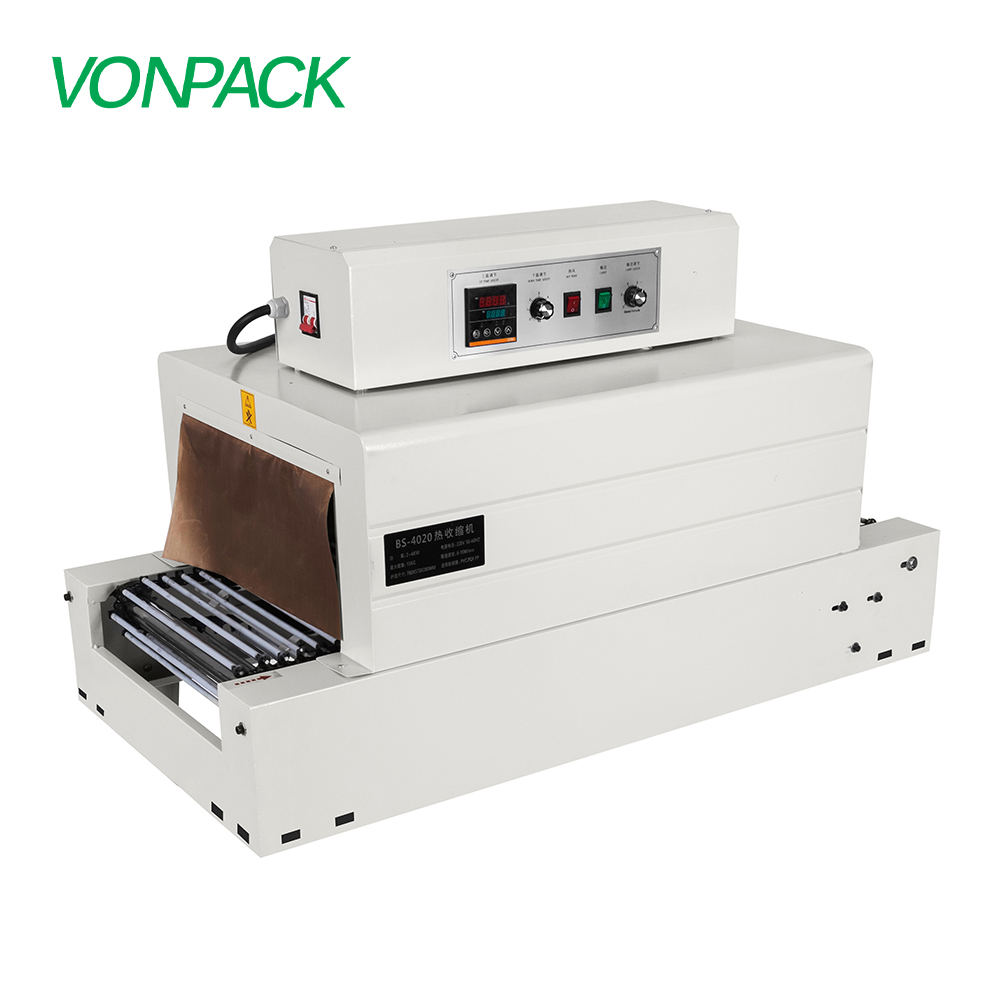
Define Your Food Packaging Requirements and Production Scale
Match shrink wrap machine capacity to hourly output and shift volume
Getting the right equipment for what needs to be produced is essential if we want to keep things running smoothly without slowdowns or wasted resources. For facilities handling over 500 packages each hour, going all in on automation makes sense with those continuous motion sealing systems. But when output drops below around 200 per hour, many find that semi automatic L bar machines work just fine for their needs. It's smart practice to figure out exactly how much gets processed during an entire workday, especially factoring in those busy holiday periods or seasonal spikes. Otherwise companies often end up spending extra cash later on when they realize their initial setup wasn't big enough after all.
Account for product attributes: size, shape, fragility, and thermal sensitivity
The size of products plays a big role in determining what kind of tunnel and conveyor system is needed. For example, irregular shaped items like whole chickens typically call for special rotary arm systems that can handle their unique form. Bakery goods that are delicate generally work best at lower shrink temperatures around 90 to 110 degrees Celsius, along with soft handling rollers to keep them intact. Frozen meals on the other hand can stand much higher temps, usually between 130 and 150 degrees. Chocolate and other heat sensitive products need really careful temperature management though, ideally keeping things within just plus or minus 2 degrees Celsius so they don't start melting during processing.
Ensure baseline regulatory compliance: FDA 21 CFR, USDA, and EU food-contact standards
When it comes to machinery that touches food products, there are strict standards to follow. Components need to comply with FDA regulations 21 CFR 177.1520 for plastics and 178.2010 for coatings. For equipment used in USDA certified meat and poultry processing lines, stainless steel surfaces of either 304 or 316 grade are absolutely required. European Union facilities face their own set of rules too, needing compliance with EC 1935/2004 along with submitting a proper Declaration of Conformity document. Using materials that don't meet these specifications can lead to serious problems. Chemical migration from non-compliant parts remains one of the top reasons behind food product recalls. According to research from the Ponemon Institute in 2023, each recall incident costs companies around $740,000 on average. That's a pretty hefty price tag for what could be avoided through proper material selection and adherence to regulatory guidelines.
Compare Shrink Wrap Machine Types for Food-Safe Performance
Open-side vs. total-closure machines: hygiene, contamination risk, and integration with food lines
Machines with open sides let workers load products manually, but they also leave everything exposed to dust and microbes floating around while wrapping happens. Food safety checks have found that this setup can boost microbial risks by almost 20% when humidity levels are high. On the other hand, total closure systems keep everything sealed tight throughout the whole process from start to finish. These systems cut down on places where germs might get in and work really well with those conveyor belts monitored under HACCP guidelines. When it comes to pre-made meals that people eat right out of the package, tests done by the USDA show something pretty impressive too. Total closure setups actually reduce pathogen transfer risks by nearly 97% compared to those open designs we were talking about earlier. That makes a huge difference for food safety standards.
Sealer design impact: L-bar, intermittent, and continuous motion systems for food-grade throughput and seal integrity
The L-bar sealer does a great job sealing those tricky shaped baked goods, though it can only manage about 15 packages per minute before hitting capacity limits. When dealing with fragile fruits and vegetables, intermittent motion systems work better because they align things so precisely, clocking in around 40 cycles each minute. For frozen foods like entrees, continuous motion setups are where it's at. These bad boys can crank out over 80 units a minute with almost no failed seals. What really stands out is how well they control oxygen levels too. The machines keep oxygen transmission below 0.01%, which makes all the difference when preserving freshness in modified atmosphere packaging. Meat products last roughly 30% longer this way, something that matters a lot in grocery stores and butcher shops everywhere.
Choose Food-Compliant Shrink Film and Validate Machine Compatibility
POF, PVC, and PE films compared by safety, migration risk, and FDA 21 CFR 177.1520/178.2010 status
Polyolefin (POF) material stands out because it has minimal migration issues and meets all requirements set by FDA regulations 21 CFR 177.1520 and 178.2010, which makes it the go to option when something needs to touch food directly. On the flip side, PVC tends to release more plasticizers into food products, particularly problematic with greasy items, so companies need to do thorough testing before using it. Polyethylene (PE) is widely accepted across different regions but doesn't always perform consistently as a barrier against contaminants. When selecting packaging materials, businesses should look for those that come with proper documentation showing they're safe for food contact. This isn't just about avoiding problems down the road either. According to recent data from the FDA's enforcement reports in 2023, recalls due to contamination can cost around $370,000 each time. That kind of expense really adds up fast.
Optimize film specs—thickness, shrink force, and clarity—for produce, bakery, and RTE meals
Tailor film properties to application needs:
- Produce: Medium-gauge (45–60µ), moderate shrink force, high clarity
- Bakery: High-clarity films with balanced shrink force to secure irregular shapes without crushing
-
RTE meals: Thicker films (60–80µ), higher shrink tension to preserve seal integrity during thermal processing
Validate compatibility through machine trials using ASTM F88 methods to assess seal strength and feed consistency before scaling.
Prioritize Hygienic Construction and Cleanability in Your Shrink Wrap Machine
Food-Grade Materials: 304/316 Stainless Steel, Non-Porous Finishes, and FDA-Compliant Elastomers
When it comes to food contact areas, most facilities go with either 304 or 316 grade stainless steel because these materials just don't corrode easily and keep bacteria from hiding out - really important stuff when dealing with raw meats, dairy products, and ready-to-eat meals. The electropolishing process creates those smooth, non-porous surfaces that basically wipe away all those tiny cracks where bad bugs like Listeria love to grow. And let's not forget about those FDA approved rubber parts in the seals; they're designed so nothing leaches into the food even when things get hot during cleaning cycles. Facility managers know this from experience too. Carbon steel might show up in some audit reports, but after a few months of scrubbing down with harsh chemicals, those surfaces start looking pretty rough compared to stainless steel which holds up day after day without breaking down.
CIP Readiness, Tool-Free Access, and IP65-Rated Components for Washdown Environments
Machines that are ready for CIP (clean-in-place) processes help cut down on cross contamination when switching between products with different allergens. The absence of tools needed to remove panels plus those smooth rounded edges makes cleaning about 70 percent faster compared to older models with lots of bolts everywhere, according to some food safety experts we've spoken to. Electrical parts rated IP65 and motors designed to withstand water keep these machines running reliably even after intense washing cycles. Moisture getting inside through gaps is a big problem in damp areas, causing roughly one third of all breakdowns at facilities inspected by the USDA. Getting rid of those entry points really improves equipment lifespan and reduces downtime.
Evaluate Real-World Food Protection Outcomes from Your Shrink Wrap Machine
Barrier performance: O₂ and moisture transmission rates (OTR/MVTR) of sealed POF versus ambient storage
Shrink wrap machines that work with Polyolefin (POF) films create pretty impressive barriers against air and moisture. The oxygen transmission rate drops below 150 cc per square meter per day, while moisture vapor transmission stays under 10 grams per square meter daily. These stats matter because they actually extend the shelf life of baked products about three times compared to regular storage conditions. For meats, this wrapping technique cuts down oxidation problems by around 45%, which means fresher products for consumers. Getting consistent seals matters a lot though. When items aren't properly wrapped, they start deteriorating much faster due to both humidity getting in and oxygen causing chemical reactions that spoil food quality over time.
Tamper evidence and shelf-life extension: ASTM D3078 testing and retail consumer trust impact
Shrink wrap machines set up correctly produce tamper evident seals that actually meet those ASTM D3078 standards we all hear about. These standards basically mean anyone trying to open the package will leave obvious signs of tampering. Food manufacturers have seen something pretty impressive happen when they switch to these compliant seals. One major processor reported around two thirds fewer instances where products were tampered with after implementation. What's even better is how this works hand in hand with keeping food fresh longer. Ready to eat meals stay safe on shelves about 40 percent longer when wrapped properly, which means stores end up restocking their shelves about 31% more often because customers keep coming back for more. People just feel safer buying products with visible security measures. It makes sense really. When shoppers can see the seal intact, they trust what they're purchasing, and companies get both regulatory approval and protection for their brand reputation at the same time.
Frequently Asked Questions
What is the importance of determining production scale in food packaging?
Determining production scale is crucial to match the shrink wrap machine capacity with the hourly output and shift volume. This ensures smooth operations without slowdowns or resource wastage.
How does product size and shape affect shrink wrap machine selection?
The size and shape of products determine the type of tunnel and conveyor system needed. Irregularly shaped items require specialized systems, while thermally sensitive products need precise temperature management.
Why is regulatory compliance important in food packaging?
Compliance with FDA, USDA, and EU standards ensures that products meet safety regulations, reducing the risk of recalls due to chemical migration or contamination.
How do open-side and total-closure machines differ in terms of food safety?
Open-side machines expose products to potential contamination, whereas total-closure machines minimize contamination risks by sealing products throughout the wrapping process.
What are the benefits of using Polyolefin (POF) films for food packaging?
POF films offer minimal migration issues, compliance with FDA standards, and create effective barriers against air and moisture, enhancing product shelf life.
Table of Contents
- Define Your Food Packaging Requirements and Production Scale
- Compare Shrink Wrap Machine Types for Food-Safe Performance
- Choose Food-Compliant Shrink Film and Validate Machine Compatibility
- Prioritize Hygienic Construction and Cleanability in Your Shrink Wrap Machine
- Evaluate Real-World Food Protection Outcomes from Your Shrink Wrap Machine
-
Frequently Asked Questions
- What is the importance of determining production scale in food packaging?
- How does product size and shape affect shrink wrap machine selection?
- Why is regulatory compliance important in food packaging?
- How do open-side and total-closure machines differ in terms of food safety?
- What are the benefits of using Polyolefin (POF) films for food packaging?