
 EN
EN
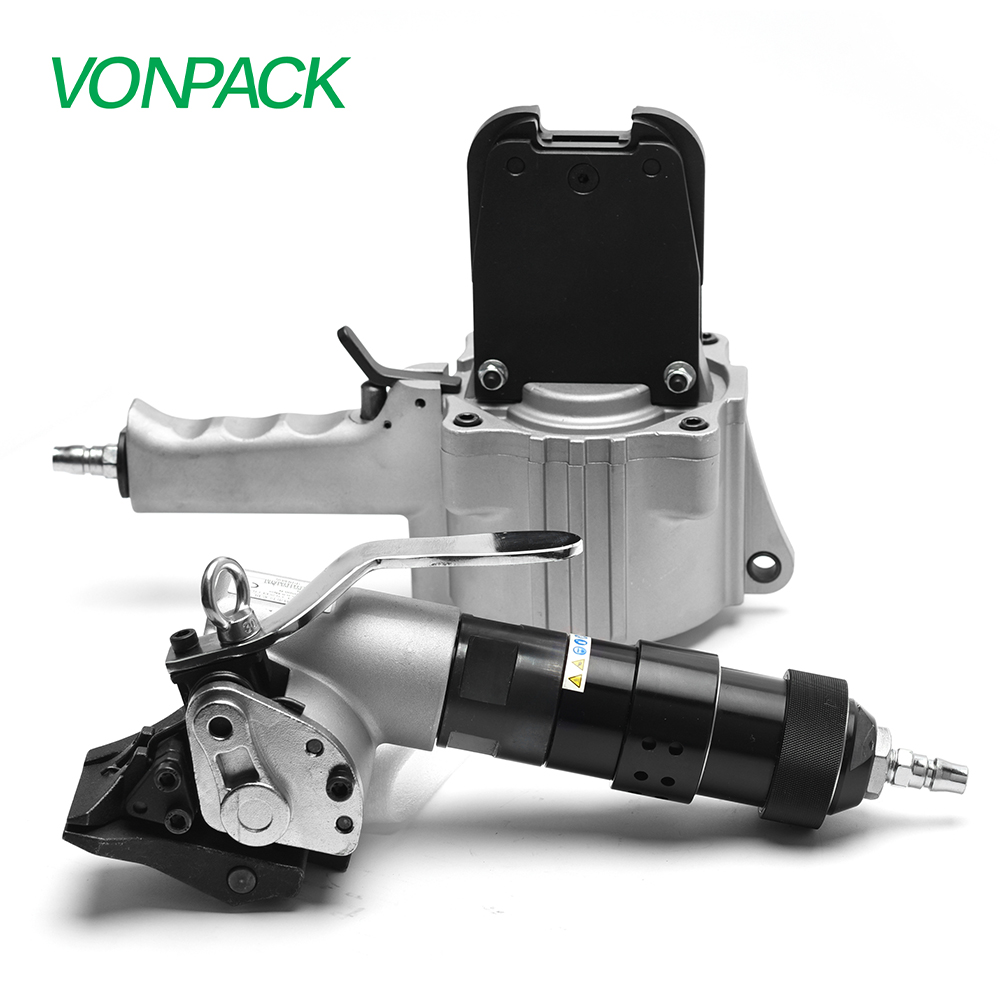
Match Strapping Machine Automation Level to Your Volume and Workflow
Manual, Semi-Automatic, and Fully Automatic Strapping Machines: Volume Benchmarks and ROI Milestones
The amount of production really determines what level of automation works best. For small operations below 50 bundles per hour, manual strapping makes sense because it doesn't cost much upfront even though someone has to do everything themselves every time. Semi automatic machines can manage between 50 to around 200 bundles an hour, cutting down on labor needs maybe about 40 percent while still letting workers switch between different products or deal with seasonal changes. Fully automatic systems are built for places that need to keep going above 200 bundles per hour consistently. These systems give almost perfect results with very little oversight needed and most businesses see their money back in about 18 to 24 months when running at high volumes. When looking at which system to get, think about how stable the workload will be over time rather than just chasing temporary boosts. Semi automatic equipment handles ups and downs better, while facilities with steady heavy output benefit most from having fully automated systems that save on labor costs and ensure consistent results day after day.
Mobile and Conveyor-Integrated Strapping Machines for Dynamic Environments (3PL, E-Commerce, Export)
Optimize Strapping Machine Performance for Load and Environmental Demands
How Package Weight, Dimensions, and Ambient Conditions Influence Tension Control and Seal Integrity
Getting good results from strapping depends on matching what the equipment can do with the actual load being carried plus the environmental conditions around it. If straps are too loose, things tend to shift around during transport which nobody wants. On the flip side, making them too tight can actually damage lighter packages or bend delicate parts inside. Take steel strapping for instance it needs about 15 to 20 percent more tension compared to polypropylene when holding down heavy industrial machines weighing over 2000 pounds. Meanwhile PET strapping holds up better under stress for smaller items shipped through e-commerce channels where weights stay below 500 pounds. Weather conditions really matter too. When humidity climbs past 60 percent, those friction welded polypropylene seals start losing strength pretty fast about 32% weaker in fact. Sunlight breaks down polyester faster in outdoor storage areas, and when temps drop below 40 degrees Fahrenheit, plastic seals get stiff and brittle increasing chances of breaking by nearly 27% in cold chain operations.
| Factor | Impact on Strapping Machine Performance | Mitigation Strategy |
|---|---|---|
| Weight >1,000 lbs | Requires steel straps with hydraulic tensioning | Auto-adjusting tension sensors |
| High humidity | Compromises heat-seal adhesion | Moisture-resistant seal mechanisms |
| Irregular shapes | Causes strap slippage | Contour-following tension arms |
Machines built with environmental resilience—such as corrosion-resistant housings for chemical plants or UV-stabilized optical sensors for dockside use—maintain seal integrity across 98% of real-world operating conditions.
Select Compatible Strapping Materials and Sealing Methods for Your Strapping Machine
Steel, Polyester (PET), and Polypropylene (PP) Strapping: Machine Compatibility Requirements
Choosing the right material depends on what kind of load needs securing and what equipment will be used. Polypropylene or PP strapping works great for lighter stuff like boxes in stores or items stacked inside warehouses. These straps function well with hand operated tools or those semi automatic ones when tensions stay below around 5,000 Newtons. Then there's polyester or PET strapping which offers much better strength and holds up longer under pressure. This makes it ideal for shipping crates overseas or stacking heavier pallets outside. To handle PET though, companies need either semi automatic or full automatic machines that can reach between 8,000 to 12,000 Newtons of tension. For really tough jobs like wrapping metal coils or transporting big machinery parts, steel strapping comes into play. Rated above 13,000 Newtons, these steel bands require serious industrial equipment with extra strong frames and special feeding systems. Mixing up materials creates problems down the line. The folks at Packaging Digest found out that putting PET strapping into a system designed only for PP actually causes about 23% more unexpected stoppages during operations.
| Material | Max Tension | Machine Compatibility | Common Use Cases |
|---|---|---|---|
| PP | 5,000 N | Manual, Semi-Auto | Light boxes, indoor bundles |
| PET | 12,000 N | Semi-Auto, Fully Auto | Pallets, export containers |
| Steel | 20,000+ N | Industrial Auto Lines | Metal coils, machinery |
Friction Welding, Thermo Welding, and Metal Seals: Matching Seal Technology to Strap Type and Throughput
The sealing method really matters when it comes to how fast things get done, how reliable the results are, and what kinds of materials work best together. Friction welding works by vibrating PET and PP straps at high frequencies until they actually fuse together. This process can handle over 30 cycles per minute which is why most high volume automated production lines go this route. Thermo welding takes a different approach by applying heat to melt and bond plastic straps. It runs at around 15 to 20 cycles per minute and tends to create better seals on those tricky irregular or uneven surfaces that sometimes show up in packaging operations. Metal seals are another option where steel strapping gets crimped mechanically. These are usually applied by hand or with slower tools, so production tops out at about 10 cycles per minute. According to a recent report from Logistics Tech Review in 2023, friction welding cuts down on seal failures by roughly 40% compared to thermo welding in e-commerce fulfillment centers. And remember something important here: always match the right sealing tech to the strap material. Steel strapping needs metal seals, while plastic straps should be sealed using either friction or thermo methods. Never mix these up because it just doesn't work properly.
FAQ
What is the best strapping machine for small operations?
Manual strapping machines are suitable for small operations producing below 50 bundles per hour due to their low startup costs.
What type of strapping material should I use for heavy-duty applications?
Steel strapping is recommended for heavy-duty applications such as wrapping metal coils or transporting machinery parts.
How do environmental factors affect strapping machine performance?
Environmental factors like humidity and temperature can affect seal integrity and tension control. For example, high humidity can weaken heat-seal adhesion, while cold temperatures make plastic seals brittle.