
 EN
EN
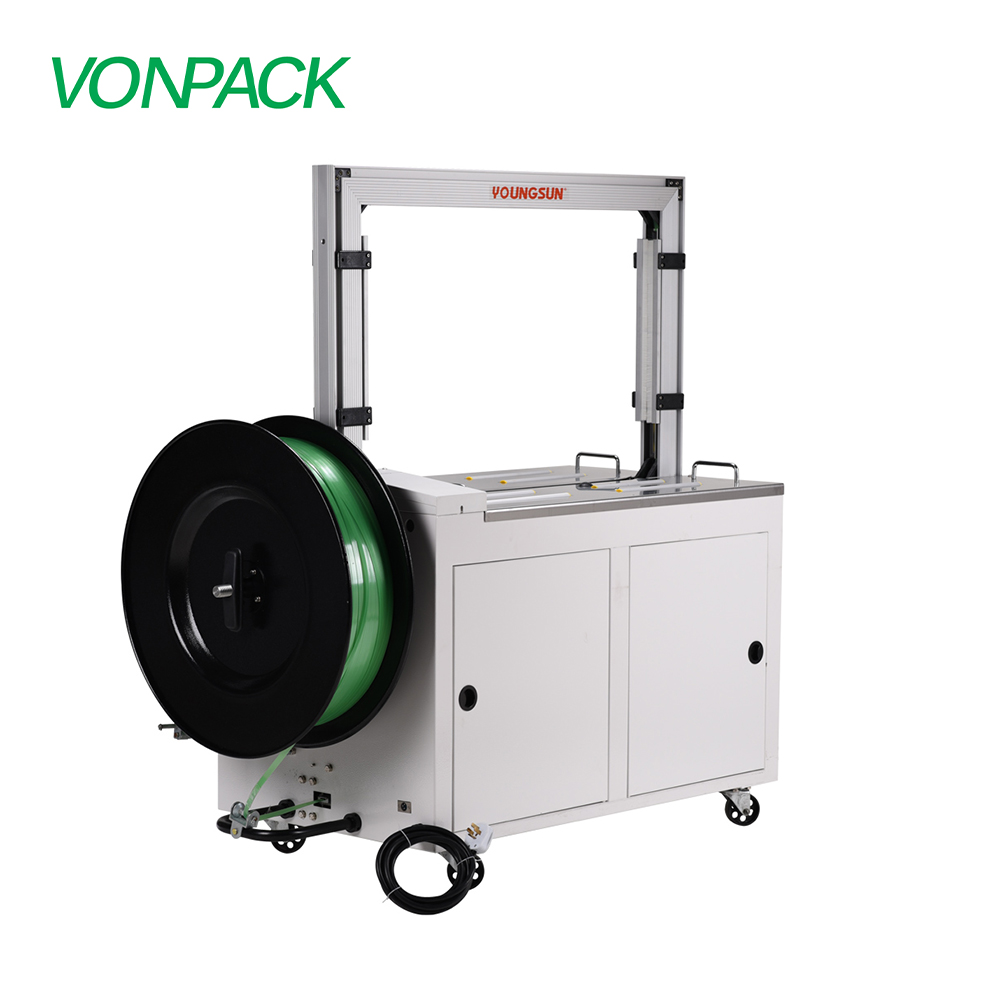
Matching Banding Machine Capabilities to Your Application Requirements
Assessing load weight, size, and shape for optimal automatic banding machine performance
Getting the load characteristics right matters a lot when picking out an automatic banding system. Heavy steel parts over 1,000 kilograms need completely different handling compared to those lighter consumer products we see every day. The newer generation of banding equipment handles all sorts of size differences thanks to adjustable guides and sensor tech that can actually adjust on the fly for odd shapes. Take those delicate pipe products for instance. The best systems out there manage to keep them stable at around 99.7 percent success rate by matching the banding force exactly with how much the load can deform before breaking. When looking at these systems, there are several important things worth checking off during evaluation.
- Weight distribution: Concentrated loads require higher strapping strength compared to evenly balanced ones
- Size tolerance: Ensure adequate clearance between conveyor rails and product dimensions
- Geometric profiles: Asymmetrical shapes benefit from adaptive tension algorithms to maintain stability
Aligning strapping force, tension control, and cycle speed with product sensitivity and stability needs
Getting the right tension just right stops problems on both ends really helps avoid those situations where things aren't secured properly or when delicate stuff gets damaged. Take electronics and glass items for instance, applying too much force can cost companies around seven hundred forty thousand dollars each year according to Ponemon's findings from last year. The timing matters too because different materials behave differently. Polypropylene straps take their time cooling down compared to steel friction welds which basically lock in place immediately after application. Weather changes make all the difference too since hot days versus cold ones will change how tight things stay over time. What works best depends heavily on what exactly needs securing so adjustments are always necessary based on specific product requirements.
| Performance Factor | Delicate Products | Industrial Products |
|---|---|---|
| Optimal Tension | 30-50 kgf | 70-200 kgf |
| Cycle Speed | 8-12 sec/band | 4-6 sec/band |
| Force Graduation | Stepped ramp-up | Immediate peak |
Advanced control systems dynamically adjust these parameters across product variants without manual recalibration, ensuring consistent performance even with variable packaging densities.
Evaluating Throughput Needs and Production Volume for Banding Machine Selection
Calculating daily pallet/box volume to determine required banding machine speed and automation level
Start with figuring out what the average number of pallets or boxes handled each day really looks like, especially during those busy seasons when things get hectic. This basic calculation tells us about the right speed our banding machine needs to keep up, measured in how many cycles it can handle hourly. For warehouses dealing with over 500 pallets on most days, we usually recommend machines that finish a cycle in less than 20 seconds while having some sort of automatic feed system. Smaller operations, maybe ones that only process around 180-200 units daily at most, often find semi-automatic options work just fine for their budget constraints. The automation level makes sense based on what labor costs are looking like these days. A recent report from logistics experts back in 2023 showed that going fully automated cuts down staffing requirements by roughly two thirds compared to doing everything manually. And don't forget to throw in an extra 25 percent capacity just in case something goes wrong or there's some surprise rush orders coming through the door when least expected.
Comparing fully automatic vs. semi-automatic banding machines based on throughput scalability
Scalability is critical when choosing between machine types. The following comparison highlights key trade-offs:
| Feature | Fully Automatic Banding Machine | Semi-Automatic Banding Machine |
|---|---|---|
| Throughput range | 60-120 pallets/hour | 20-40 pallets/hour |
| Labor dependency | Minimal (1 operator oversees 4+ units) | High (1 operator per machine) |
| Scalability | Seamless volume increases | Limited beyond 30% growth |
| ROI threshold | 400+ daily pallets | Under 200 daily pallets |
Fully automatic systems excel in high-growth environments with integrated conveyors, while semi-automatic models suit variable mid-volume operations. Over 80% of fulfillment centers upgrade within three years due to underestimated volume growth—prioritize friction-free scalability.
Strapping Material Compatibility and Sealing Method Reliability
Steel, PET, and PP strapping: Strength, elasticity, and compatibility with your automatic banding machine
What kind of strapping material we choose really affects how secure our loads are and how well the machines perform. Steel definitely wins when it comes to strength with around 13,000 PSI tensile power, which makes it great for those tough industrial jobs. But here's the catch: working with steel needs special tension controls that not every setup can handle. Then there's PET, or polyethylene terephthalate if we want to get technical about it. This stuff stretches nicely and handles moisture pretty well, so it works best when dealing with loads that might shift around or sit in damp conditions. For lighter work where money matters more than maximum strength, polypropylene (PP) is usually the go-to option because it costs less. The downside? It breaks under much less force compared to other options. When picking materials, always check if the machinery can actually handle them properly. Take PP as an example it tends to deform easily unless kept at lower tensions. And let's face it, mixing incompatible materials causes problems about 23 percent of the time in banding operations, according to what various packaging industry reports have shown over the years.
Friction welding vs. thermo welding: Impact on seal integrity, speed, and maintenance in high-volume banding
How we seal things affects how fast we can produce them and how often we need to stop for repairs. Take friction welding for instance it works by shaking those plastic straps at super high speeds until they actually melt together on a molecular level, all within just over a couple seconds flat. Works great with PET and PP materials when running at really high volumes, say 60 bundles per hour or more, plus it eats up less electricity than other methods. Then there's thermo welding which basically uses hot metal blades to stick those straps together. The seals are rock solid around 99.2% integrity which matters a lot for important stuff, but watch out those blades get worn down pretty quick in places where dust builds up. Friction systems tend to last longer because they have fewer parts that break down, cutting down on downtime by about 30% when running nonstop. And here's something interesting for folks dealing with delicate items thermo welding doesn't cause any vibration damage during the sealing process, so it stays safe for temperature sensitive products.
Integration, Space Constraints, and Operational Environment for Banding Machines
Horizontal vs. vertical banding machine layouts: Footprint, conveyor integration, and workflow alignment
When deciding between horizontal and vertical setups, consider available space and how work flows through the facility. The horizontal option takes up quite a bit of floor real estate but works really well with straight line conveyor belts, cutting down on how much workers need to handle products manually. These lower profile machines fit nicely with pallets and boxes moving along flat assembly lines. On the other hand, vertical machines save valuable floor space since they reach upward instead of spreading out. However, these systems typically need some kind of lift mechanism or spiral conveyor to move materials around. Vertical configurations make sense when there's a need to stack completed items or deal with light weight stuff that can just drop down through gravity chutes. From what we've seen in material handling research, horizontal systems tend to keep things stable while applying straps, which means about 40 percent fewer shifts in delicate cargo situations compared to other methods.
Environmental resilience: Dust, moisture, temperature, and chemical exposure considerations for long-term banding machine reliability
The environment where equipment operates plays a huge role in how long it lasts before needing repairs or replacement. Dust buildup is actually responsible for around a quarter of all mechanical breakdowns in factories and warehouses these days. That's why many facilities now install IP54 rated enclosures to shield sensitive parts from airborne particles. Humid conditions present their own challenges too. Anyone working near loading docks or in food processing plants knows moisture gets everywhere. Stainless steel components become essential there to fight off rust and corrosion over time. When temperatures consistently climb past 104 degrees Fahrenheit, standard cooling systems just aren't enough anymore. Industrial motors start failing faster unless we upgrade to better heat management solutions. Chemicals from paint shops or pharmaceutical packaging areas can silently destroy rubber seals until they completely fail. Specifying viton or PTFE materials makes sense in those situations since they stand up much better against aggressive solvents. All these protective measures combined typically mean maintenance crews can go about 30% longer between service calls in tough operating environments.
Total Cost of Ownership: ROI, Safety, and Support for Automatic Banding Machines
Evaluating an automatic banding machine requires looking beyond initial cost. The Total Cost of Ownership (TCO) includes maintenance, energy use, operator training, downtime, and safety compliance. A durable, reliable machine may carry a higher upfront price but can deliver 40% lower lifetime costs than budget alternatives (Manufacturing Automation Report 2023).
Integrating safety measures into operations actually cuts down on total cost of ownership because there are simply fewer workplace injuries and insurance rates stay lower as well. Things like automatic guards, those big red emergency stop buttons everywhere, plus overload protection systems help keep production moving smoothly while making sure workers aren't getting hurt. The operational side matters too. Good service contracts, easy access to replacement parts, and remote diagnostic capabilities can cut unexpected shutdowns by around 30 something percent according to most industry reports. Looking at return on investment? Machines typically last between ten to fifteen years in the field, so companies should really focus on finding suppliers who provide thorough training programs and have technicians nearby when problems arise. That kind of support makes all the difference in maintaining those efficiency improvements long term.
Frequently Asked Questions
What are the benefits of using fully automatic banding machines compared to semi-automatic ones?
Fully automatic banding machines offer higher throughput, minimal labor dependency, and seamless scalability, making them ideal for high-growth environments. They can process 60-120 pallets per hour compared to 20-40 pallets for semi-automatic machines.
How does strapping material choice affect banding machine performance?
The choice of strapping material (Steel, PET, PP) impacts load security and machine performance. Steel offers high strength but requires special tension controls. PET is elastic and resistant to moisture. PP costs less but has lower tensile strength.
Why is environmental resilience important for banding machines?
Environmental conditions such as dust, moisture, temperature, and chemical exposure affect the reliability and longevity of banding machines. Protective measures like IP54 enclosures, stainless steel components, and specialized seals can extend the time between maintenance calls.
Table of Contents
- Matching Banding Machine Capabilities to Your Application Requirements
- Evaluating Throughput Needs and Production Volume for Banding Machine Selection
- Strapping Material Compatibility and Sealing Method Reliability
- Integration, Space Constraints, and Operational Environment for Banding Machines
- Total Cost of Ownership: ROI, Safety, and Support for Automatic Banding Machines
- Frequently Asked Questions