
 EN
EN
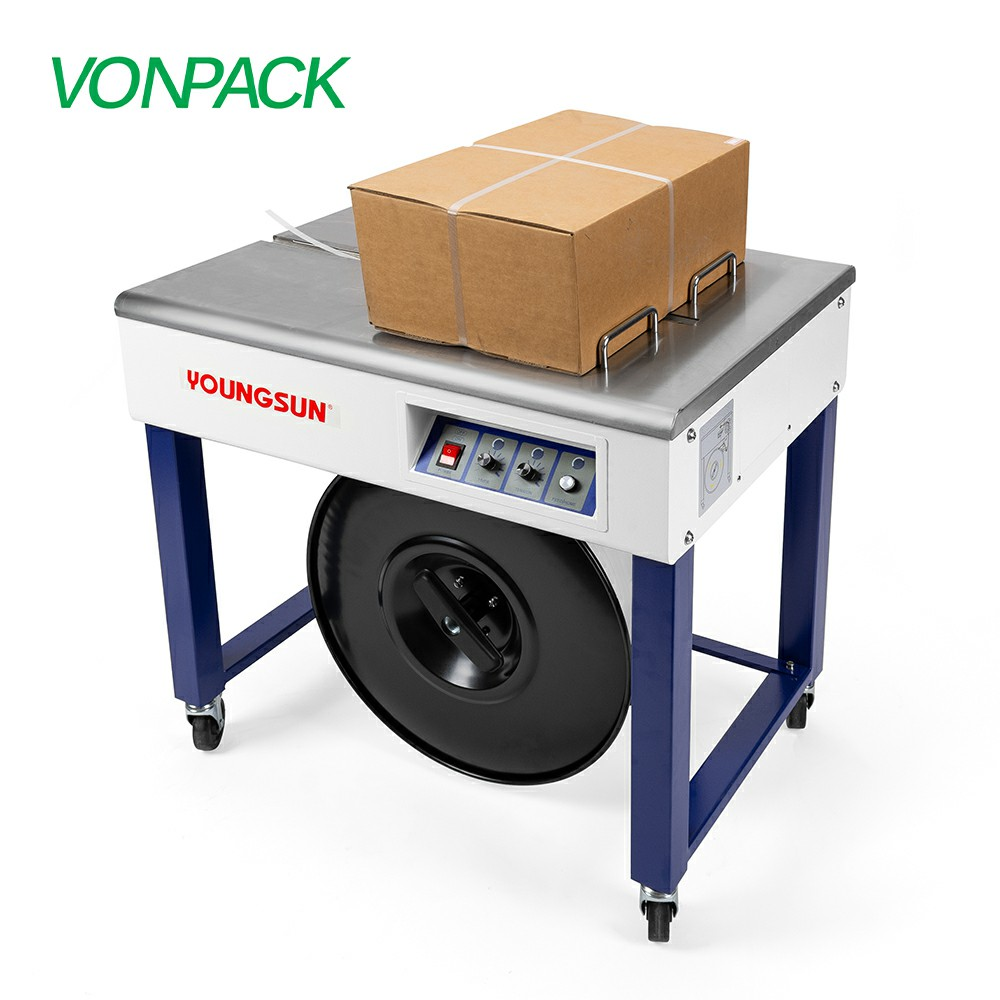
Redefining Efficiency for Small-Batch Banding
When evaluating banding tools for small-batch operations, throughput metrics alone paint an incomplete picture. Production lines bundling under 500 units daily face distinct challenges—frequent SKU changes, variable bundle geometry, and staffing constraints—that render high-volume efficiency benchmarks misleading.
Why throughput alone misrepresents efficiency in low-volume applications
The highest output numbers we see listed, like 30 bands per minute, are based on machines running nonstop all day long something that rarely happens when working in smaller production runs. When operators actually stop to adjust bundles, switch materials around, or pass things off between shifts, these interruptions really cut down what gets done in practice. According to last year's Packaging Operations Report, most plants handling under 100 bundles each hour only hit about 40 to 55 percent of those fancy spec sheet speeds. What matters most for real world performance isn't some maximum number printed somewhere but how many actual bands get produced per hour by each worker on the floor.
The critical role of changeover time, operator fatigue, and setup consistency
Small batch production runs often get bogged down by constant product changes. Looking at actual shop floor data, manual banding equipment typically needs about 90 seconds between setups compared to around 210 seconds for semi automatic machines which require adjusting tension settings and clearing out the feed path. The human factor plays a big role here too. After working non stop for just two hours straight, operators using manual systems tend to slow down by roughly 23%. Semi auto tools keep things mechanically consistent sure, but they actually make workers think harder when switching between different stock keeping units. From what we see day to day, getting that first bundle right every time is actually more important than how fast the machine can run top speed. Every new batch comes with its own challenges whether it's different dimensions, materials, or just plain old variability in the products themselves.
Integrating labor cost, band waste rate, and first-pass yield into true efficiency
A holistic efficiency model must weigh three interdependent factors:
- Labor impact: Manual banding costs $0.11/band versus $0.07 for semi-auto—but training adds 18% overhead and delays ramp-up.
- Material waste: Poor tension control causes 14% band waste in manual processes; semi-auto systems cut this to ±5% with closed-loop feedback.
- Quality fallout: 9.2% of manual bundles require rework versus 4.7% for optimized semi-auto tools, directly affecting labor and time-to-ship.
Together, these determine total cost per secure bundle—the only metric that reflects real-world operational efficiency.
Manual vs. Semi-Automatic Banding Tools: Real-World Tradeoffs for Small Batches
Labor intensity and error rates: Field data from 12 small-scale fulfillment centers
Looking at data from twelve different facilities shows pretty varied approaches to labor when it comes to packaging operations. When workers do the banding manually, they spend about thirty percent more time on each bundle compared to automated methods. But there's something to be said for this approach too since it doesn't require much training and handles odd shaped items better than machines ever could. Semi automatic equipment definitely cuts down on physical strain by around half according to our measurements, though these tools come with their own problems. We've seen misaligned bands cause issues in small spaces, making up nearly a quarter of all operational hiccups as reported in Material Handling Quarterly last year. Interesting thing happens during those mixed product runs where multiple SKUs are processed together. Manual techniques tend to get things right on the first try about ninety two times out of a hundred while semi auto systems hit eighty seven percent accuracy. The difference probably comes down to hands on feel for tension levels and being able to spot problems instantly just by looking at what's happening.
Throughput vs. uptime: Why 18–22 bands/min semi-auto often delivers only 12–15 net bands/min in practice
Rated throughput overstates real-world performance by 35–45% when accounting for changeovers, maintenance, and material-switching downtime. Key drains include:
- 8–12 minutes/hour lost to band reel changes and jam clearance
- Downtime scaling with frequency of material switches (e.g., polypropylene to PET)
- Alignment recalibration required every 50–70 cycles
In SKU-dense environments—where no two consecutive bundles are identical—net output compresses to 12–15 bands/minute, eroding the throughput advantage.
When manual banding tools outperform semi-auto—product variability, SKU churn, and training overhead
Sometimes manual systems actually work better when there's lots of change happening instead of just high volume. Take operations that deal with more than 40 different SKUs each day - we've seen them run about 15-20% quicker with manual tools because they don't need any setup time between products. The training aspect really matters too. Semi automatic equipment takes around 6 extra hours to teach operators, which becomes a big problem for places that hire temporary staff during peak seasons. These businesses often lose close to a quarter of their productivity while people get back up to speed after retraining. So if a company values being able to pivot quickly rather than going all in on automation, manual banding still holds up well operationally since it doesn't require any configuration changes between runs.
Key Technical Capabilities That Define Banding Tool Suitability
Feed mechanism, tension control, and alignment precision across banding tool types
How accurate those core mechanical parts are makes all the difference when dealing with small production runs. The feed mechanism needs to respond quickly to stop things from getting jammed, especially when products stack up in odd ways which happens a lot with mixed SKU orders. Good tension control keeps loads secure within about 5% variation so nothing gets crushed, particularly important for delicate items. Alignment guides that stay within roughly 1mm help create proper seals even if someone isn't super experienced operating the machine. Put it all together and manufacturers see around 60% fewer errors in their low volume operations. When tools break down in these settings, they really throw everything off track according to Packaging Digest's findings last year.
Band compatibility (polypropylene, PET, paper) and its direct impact on small-batch flexibility
The ability to work with different materials means companies can quickly adjust to all sorts of packaging needs without having to swap out any hardware. Take polypropylene for instance it stretches back into shape even when wrapping odd shaped items. Then there's PET which handles heavy stuff really well because of its strong tensile properties. And let's not forget about paper options that check off those green credentials many customers are looking for these days. The best part? Most modern equipment works with bands ranging between 0.4mm and 1.5mm thick, plus they have smooth running paths that stop things getting torn or causing delays when switching materials frequently. For smaller operations handling less than 50 bundles each shift, this kind of flexibility tends to matter more than just going fast all the time.
Practical Selection Framework for Small-Scale Operations
Product size, bundle geometry, and frequency—not volume—as primary decision drivers
When looking at packaging operations, it's better to focus on how products actually look and fit rather than just chasing high numbers. The size and shape of bundles really matters for figuring out what kind of tension is needed and which bands will work properly. Irregular stuff like those awkward L-shaped brackets or pallets with different SKUs just need tools that can adjust more easily compared to regular old boxes. Operators who handle around 30 bundles per hour find that their hands get tired faster if they don't have good grip comfort or tools that reduce wrist strain. This actually affects how many mistakes happen during packing. Some research into smaller warehouses showed something interesting too. Places dealing mainly with round items saw about 40 percent fewer times they had to readjust everything when workers used special tools with curved jaws instead of the usual flat ones.
Budget thresholds and ROI inflection points: $3,500 entry semi-auto vs. integrated systems
Around the $3,500 to $7,000 price bracket is where most businesses face a real turning point in their equipment decisions. For setups under $3,500, manual tools still make good business sense, especially if the operation deals with lots of different product SKUs or needs frequent changeovers taking over 45 minutes each time. These manual options save money because they don't take long to set up, even though they process fewer items per hour. When looking at semi-automatic machines starting around $3,500, companies generally need to handle at least 1,200 product bundles every month just to see any real return on investment from reduced labor costs. The big integrated systems costing $15,000 and above only start making financial sense for facilities that work with five different band types or more each day. Many manufacturers also find these expensive systems necessary when compliance regulations require detailed tracking records and documentation that's ready for audits at a moment's notice.
FAQ Section
What challenges do small-batch banding operations face?
Small-batch operations face challenges like frequent SKU changes, variable bundle geometry, and staffing constraints, which hinder throughput efficiency.
How does changeover time affect banding efficiency?
Changeover time significantly impacts efficiency, as manual setups typically take about 90 seconds, while semi-auto setups require around 210 seconds.
What factors should be considered in banding tool selection?
Factors like product size, bundle geometry, and material compatibility, along with budget and ROI thresholds, are crucial for selecting suitable banding tools.