
 EN
EN
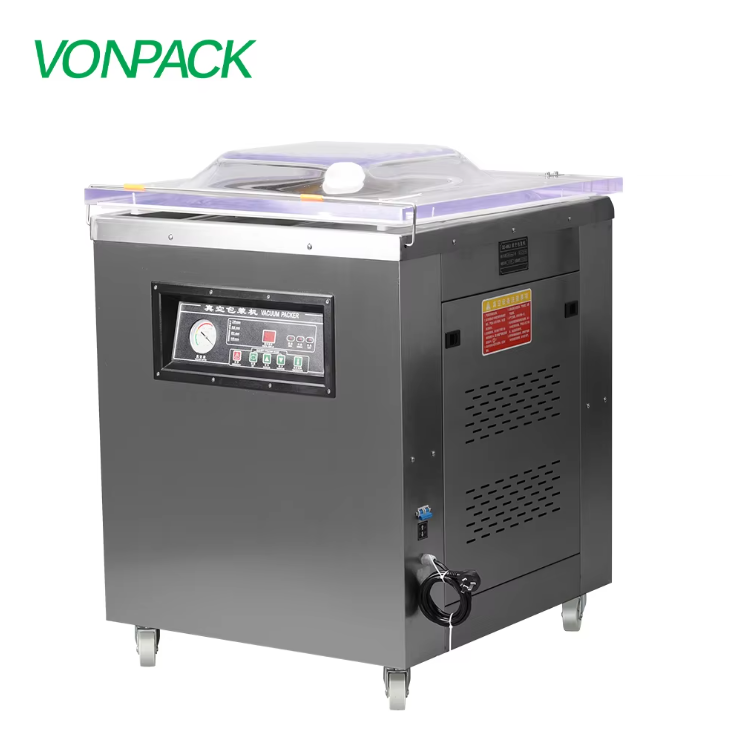
Core working principle defining processing boundaries
A chamber vacuum sealer completes full‑cycle vacuum work inside a sealed enclosed compartment. Both the interior of the vacuum bag and the surrounding chamber space lose air simultaneously. This internal‑chamber pressure balance sets it apart from nozzle‑style external vacuum units. It eliminates uneven suction that may draw liquid or fine powder toward sealing strips. Still, physical limits from chamber dimension, pump performance and heat‑seal mechanics create clear processing boundaries. Not every good can obtain stable vacuum packaging results, even when operating hardware stays in perfect condition. Material properties, moisture level and surface sharp features all shape final packaging quality.
Practical observations from small‑batch food processing workshop upgrade
One regional specialty food workshop upgraded packaging workflows by introducing a chamber vacuum sealer. Previous nozzle‑type vacuum devices frequently experienced seal contamination. Fine spice powders and moderate‑moisture marinated meat fragments kept getting sucked into nozzle channels, creating high reject rates. After switching to chamber‑style equipment, dry solid cuts, seasoned cured meat and granular spice blends achieved consistent sealing outcomes. Operators still encountered failure cases when handling fully boiling‑hot thin‑broth liquids. Liquid boiling‑over occurred under deep vacuum conditions. This real‑world production case illustrates suitable and risky material profiles for chamber‑style vacuum equipment.
Performance overview for different product categories with chamber vacuum sealer
Reference information draws from packaging machinery laboratory test records following ASTM F88 heat‑seal evaluation standards. The table below summarizes typical processing suitability.
| Product Category | Processing Suitability | Common Notes During Operation |
|---|---|---|
| Dry solid food goods | High suitability | Includes nuts, jerky, hard cheese, dried grain products |
| Semi‑moist cured & marinated food | High‑moderate suitability | Avoid excessive free surface liquid before loading into chamber |
| Fine powder and granular materials | Moderate‑high suitability | Chamber pressure balance reduces powder‑sucking risks versus nozzle machines |
| Sharp‑edged hard components | Conditional suitability | Requires puncture‑resistant composite vacuum bag materials |
| Fully boiling thin‑liquid goods | Low suitability | Low‑pressure environment triggers liquid boiling and overflow |
Typical food‑grade items well‑suited for chamber vacuum sealing
Multiple food‑oriented product groups gain tangible benefits when handled with a chamber vacuum sealer. Cured meat cuts, hard cheeses, dried nuts and dehydrated agricultural goods benefit from reduced oxygen exposure which slows oxidation and mold development. Seasoned semi‑moist snacks and pickled goods with limited free surface liquid also deliver stable packaging results. Granular spices and ground coffee can complete vacuum cycles without fine particles contaminating sealing bars. It remains important to remove dripping excess liquid from product surfaces before placing bags inside the chamber. Surface‑pooled fluid may still create seal defects despite balanced‑chamber mechanics.
Non‑food industrial and specialty goods suitable for chamber vacuum sealing
Beyond food workflows, a chamber vacuum sealer supports packaging tasks for various non‑food articles. Metal hardware parts, precision bearings and small electronic assemblies can get vacuum‑sealed inside barrier bags to slow rust and oxidation during warehouse storage. Textile goods like fabric samples and compact textile accessories achieve volume reduction under chamber vacuum cycles. Some laboratory test samples and herbal raw‑material batches also adopt this packaging approach. Sharp metal edges demand heavy‑duty puncture‑resistant bag films. Thin ordinary vacuum bags tend to develop pinhole perforations under squeezing pressure.
Recognized product types and conditions that create processing risks
Several product profiles carry inherent risks even with well‑calibrated chamber vacuum hardware.
- Thin free‑flowing boiling‑hot liquids may boil under reduced chamber pressure and spill across sealing components.
- Highly inflated fresh produce with active internal respiration can swell sealed bags after finishing vacuum cycles.
- Items with extremely sharp protruding edges risk piercing vacuum barrier films during compression.
- Wet goods carrying large amounts of un‑drained free liquid raise chances of seal contamination.
Process adjustment, pre‑treatment or alternative packaging technology becomes necessary for these risky categories. Vonpack builds diverse vacuum‑oriented packaging machinery backed by accumulated manufacturing experience. Its product lineup includes chamber vacuum equipment and supporting peripheral hardware, delivering stable processing solutions for global food‑processing and industrial‑packaging clients.
Table of Contents
- Core working principle defining processing boundaries
- Practical observations from small‑batch food processing workshop upgrade
- Performance overview for different product categories with chamber vacuum sealer
- Typical food‑grade items well‑suited for chamber vacuum sealing
- Non‑food industrial and specialty goods suitable for chamber vacuum sealing
- Recognized product types and conditions that create processing risks